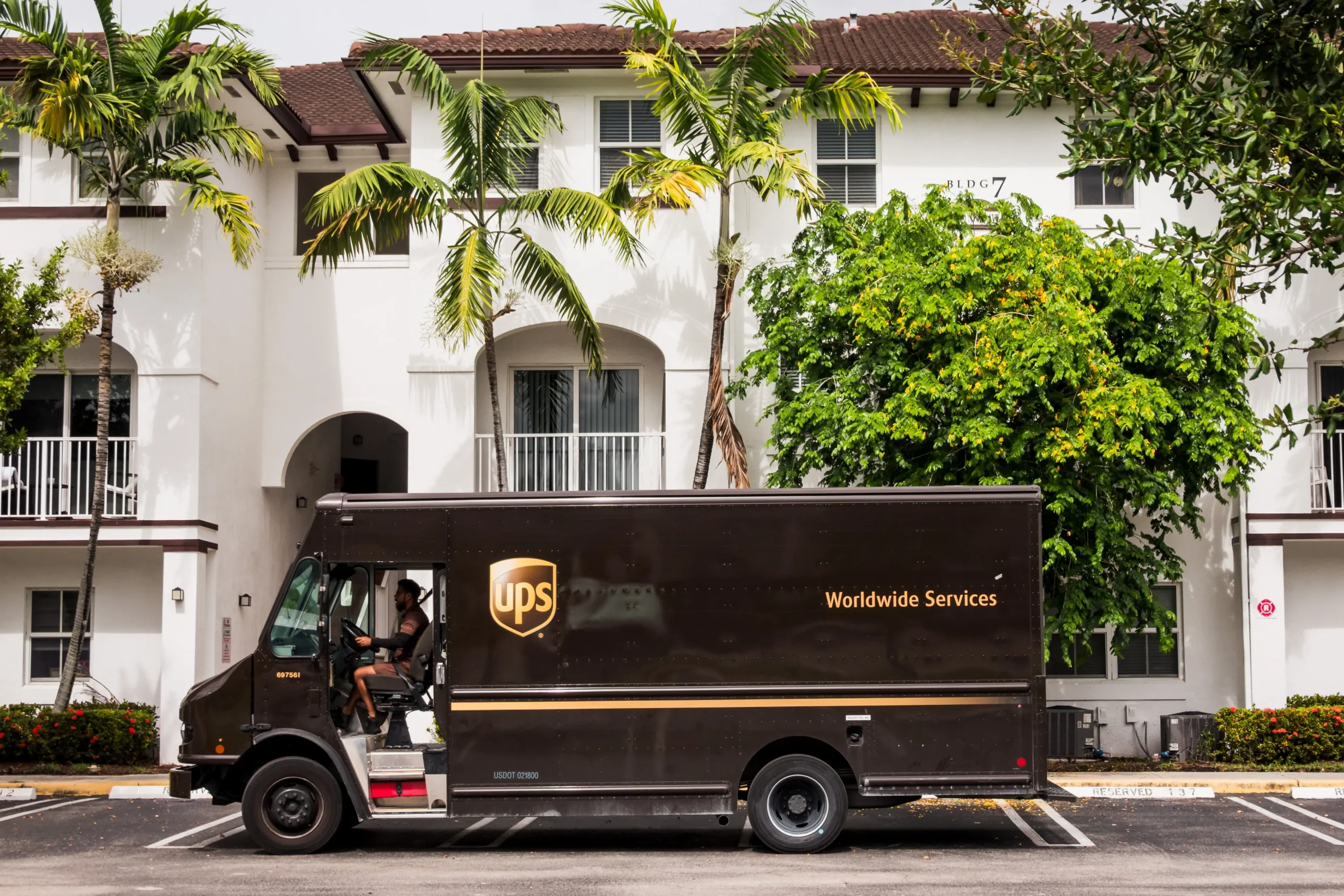


A shipping surcharge, also called an accessorial fee, is an additional charge applied on top of the base shipment cost. These fees commonly appear on carrier invoices as “service charges” or “handling fees.”
Carriers use surcharges to pass along costs tied to fuel price fluctuations, delivery complexity, package dimensions, and other transportation variables. For shippers, these fees can quietly erode margins if left unchecked.
In this article, we’ll break down the most common shipping surcharges from UPS and FedEx, explain how they’re calculated in 2026, and cover practical steps to reduce or avoid them.
Types of Shipping Surcharges with UPS and FedEx
Individual surcharges may look small in isolation, but they add up fast, each one layering on top of base rates.
Carriers revise surcharges regularly. UPS implemented its 2026 rate changes on December 22, 2025; FedEx followed on January 5, 2026. Both announced an average 5.9% General Rate Increase (GRI) for 2026, the third consecutive year at that figure. However, many individual surcharges rose faster than the headline rate, meaning the actual cost impact for some shippers is closer to 8–12% when surcharges are factored in.
For a full list of effective rates, see:
Here are the most common surcharges you should understand.
Fuel Surcharges
Fuel surcharges are additional fees layered onto the base rate to account for regional and seasonal changes in fuel prices. They’re designed to shift fuel cost volatility from the carrier to the shipper.
UPS adjusts its fuel surcharge rates on a weekly basis. FedEx does the same. Because these rates fluctuate, it’s worth checking carrier websites regularly.
- Visit FedEx’s fuel surcharge page for current FedEx rates.
- Visit UPS’s fuel surcharge page for current UPS rates.
Residential Delivery Surcharges
Residential surcharges apply when a shipment goes to a home address, a business operating from a home, or any location a carrier classifies as residential, including farms.
In 2026:
- FedEx Ground / Home Delivery residential delivery surcharge: $6.45 per package
- UPS Ground residential delivery surcharge: $6.50 per package
These fees increased roughly 6–8% from 2025 levels, in some cases outpacing the headline GRI.
Additional Handling Surcharges
Additional handling surcharges apply when a package requires extra attention during transit, typically because of its size, weight, or packaging type. These are separate from oversize charges and kick in at lower thresholds, which means they affect a much wider range of shipments.
In 2026, both UPS and FedEx apply an additional handling fee when a package meets any one of the following conditions:
- Weight: actual weight exceeds 50 lbs
- Length: longest side exceeds 48 inches
- Girth: second-longest side exceeds 30 inches
- Packaging: not fully enclosed in a standard corrugated cardboard box (e.g., poly bags, tires, cylinders, shrink-wrapped pallets, or loose items)
Check each carrier’s current rate tables for exact figures, as these are updated with annual rate changes.
Worth noting: The packaging condition applies regardless of size or weight. A lightweight item shipped in a poly mailer or without a corrugated outer box can still trigger an additional handling charge. If you ship apparel, soft goods, or irregularly packaged products at volume, it’s worth auditing whether your current packaging approach is generating these fees unnecessarily.
Oversize / Large Package Surcharges
Oversize and large package surcharges apply when packages exceed carrier-defined size or weight thresholds. In 2026, both UPS and FedEx updated their criteria to include cubic volume as a measurement factor, a meaningful change that affects lightweight but bulky packages.
FedEx now assesses an oversize charge when a package:
- Exceeds 96 inches in length
- Has a combined length and girth over 130 inches
- Weighs more than 110 lbs (updated from 90 lbs in 2025)
- Exceeds 17,280 cubic inches in total volume (new in 2026)
UPS applies a Large Package Surcharge when a package:
- Exceeds 96 inches in length
- Has a combined length and girth over 130 inches
- Weighs more than 110 lbs (updated from 90 lbs in 2025)
- Exceeds 17,280 cubic inches in total volume (new in 2026)
Oversize charges for both carriers vary by shipping zone and service, generally ranging from the mid-$200s to low-$300s per package. The addition of the cubic volume threshold is particularly important for businesses shipping light, bulky products, as even lightweight items can now trigger surcharges if they take up enough space.
Saturday Delivery Surcharges
Saturday delivery surcharges apply to shipments made outside the standard Monday–Friday window.
In 2026, the surcharge structure differs by carrier, service type, zone, and weight:
FedEx:
- FedEx Home Delivery: no Saturday delivery surcharge (included in standard pricing)
- FedEx Ground to commercial addresses: Saturday delivery surcharge applies, check FedEx’s current rate table for your zone
- FedEx Express (Priority Overnight, 2Day, Express Saver): Saturday delivery surcharge applies and is assessed per package, typically around $16 per package; rates vary by service level and destination
UPS:
- UPS Ground to residential addresses: no Saturday delivery surcharge
- UPS Ground to commercial addresses: $4.00 per package
- UPS Air services (Next Day Air, 2nd Day Air): $4.00–$16.00 per package, depending on service and destination
If Saturday delivery is a requirement for your operation, it’s worth modeling the surcharge cost against the value of that delivery window before committing to a service level.
Address Correction Surcharges
Address correction fees are charged when a carrier must correct an incomplete or inaccurate address to complete a delivery.
In 2026:
- FedEx address correction fee: $25.50 per correction
- UPS address correction fee: $23.50 per correction
Inaccurate address data is one of the more avoidable surcharge sources. Maintaining clean customer address records can help you save.
Delivery Area Surcharges
Delivery area surcharges (DAS) apply when a shipment is heading to a lower-density or remote location. These fees cover the additional labor and transportation required to reach destinations farther from major hubs.
DAS rates vary by service type for both FedEx and UPS, and both carriers have expanded the ZIP codes that qualify. Consult each carrier’s current delivery area surcharge tables, as these ZIP codes are updated periodically.
Declared Value Surcharges
A declared value surcharge is a fee you pay to place liability on the carrier if a package is lost, damaged, or stolen. Without it, carrier liability defaults to a lower limit. The amount you pay scales with the declared value of the shipment.
- FedEx declared value surcharges start at approximately $4.50 per shipment
- UPS declared value surcharges start at approximately $4.85 per shipment
How to Reduce and Avoid Shipping Surcharges
Understanding what you’re paying in surcharges is the first step. Which fees are hitting most often? Which are tied to specific shipping lanes or customer segments? Are any charges appearing that don’t match the shipments you made? That review gives you a baseline: how much you’re spending on surcharges in total, where the concentration is, and where errors might exist.
Without that baseline, the steps below are hard to prioritize. With it, you can focus on the surcharges that are actually costing you the most. Here’s how to take action from there:
- Parcel consolidation. When a customer places multiple orders in quick succession, shipping them together in one package reduces your total shipment count, and your exposure to per-package surcharges, as long as you can stay within the carrier size thresholds.
- Audit your invoices. Surcharge errors are more common than most shippers realize. A disciplined invoice auditing process helps you catch miscalculations, duplicate charges, and service failures before they compound. Solutions like SiftedAI’s Parcel Audit surface these discrepancies automatically, giving you a clear picture of where costs are accumulating.
- Analyze your shipping data. Drilling into your invoice history reveals patterns: which surcharge types hit most often, which shipping lanes generate the most fees, and where consolidation opportunities exist.
- Invest in shipping intelligence. A platform purpose-built for parcel shipping can model different shipment scenarios using your actual data. For example, what happens to your surcharge exposure if you adjust package dimensions to stay under the additional handling threshold, or how your total cost changes if you shift a portion of residential volume to a different service level. You can also model the cost difference between shipping from different origin points, or evaluate whether a packaging change that reduces dimensional weight also pushes you below an oversize cutoff. That kind of analysis helps you make decisions based on real numbers rather than estimates.
What’s Different in 2026
Beyond the standard surcharge increases, a few structural shifts are worth flagging:
Cubic volume thresholds are now in play. Both UPS and FedEx added cubic volume as a criterion for oversize assessments in 2026. Businesses shipping lightweight but bulky items should model whether their packaging now triggers additional handling or oversize/large package fees.
Many surcharges are outpacing the headline GRI. While both carriers announced a 5.9% average increase, residential and delivery area surcharges rose faster. Shippers with high residential delivery volume will likely see cost increases above the advertised average.
Tariff uncertainty adds pressure. The ongoing tariff environment in 2026 is creating cost volatility across the supply chain. While carriers aren’t directly adjusting surcharges for tariffs, shippers managing import-heavy inventory may find that shipping cost control becomes even more important as product costs fluctuate.
Takeaways
Shipping surcharges don’t have to be unmanageable. Understanding how each surcharge is triggered, monitoring invoice accuracy, and making data-driven decisions about packaging and carrier selection are the most reliable ways to protect your margins.
SiftedAI gives shippers the visibility to do exactly that: track where surcharges are hitting, audit invoices for errors, and model options before committing to a shipping strategy. If you’re looking for a clearer view of your shipping spend, explore SiftedAI.