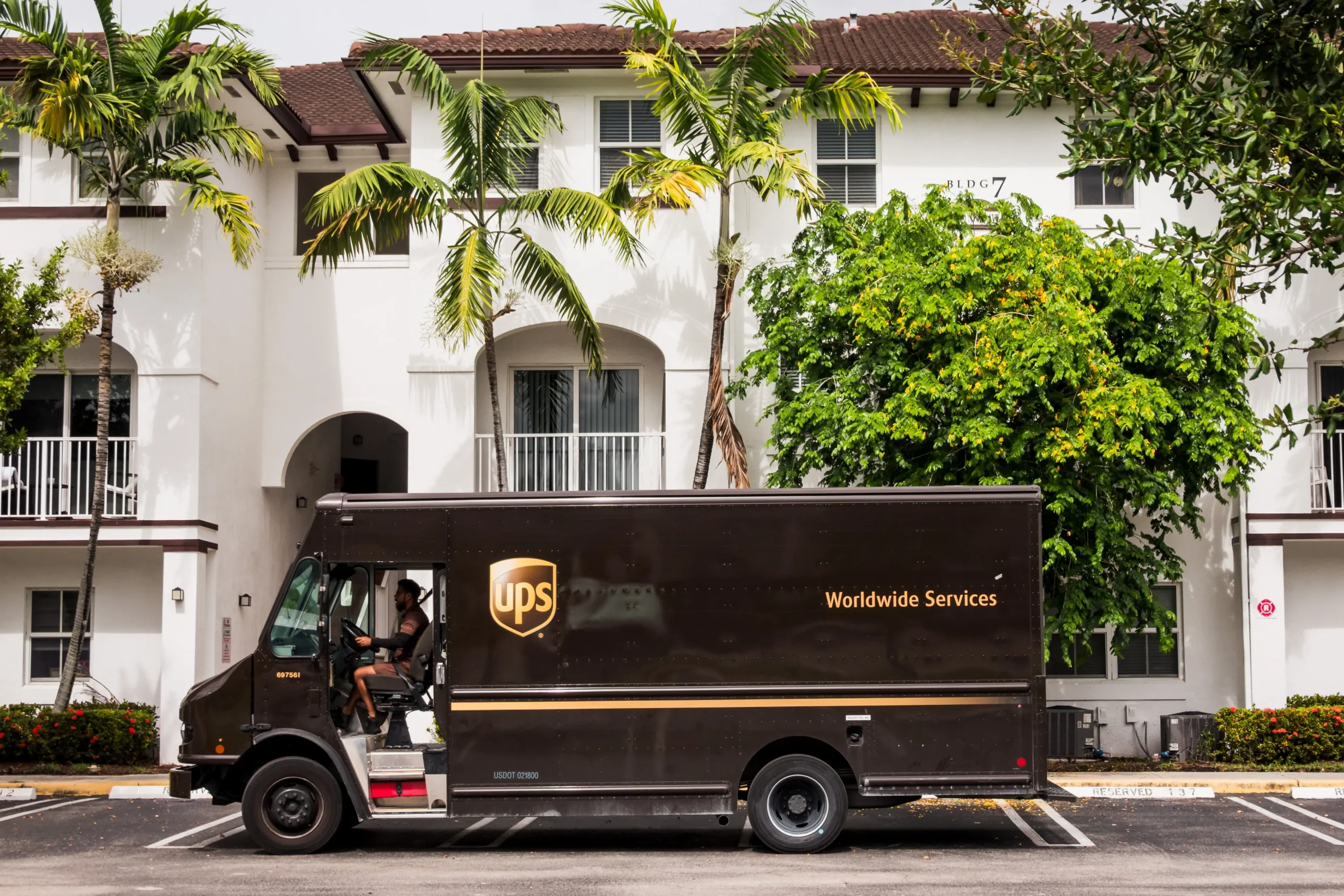


As the 2025 General Rate Increase (GRI) approaches, businesses across industries are bracing for the potential impact on their shipping costs. In an evolving economic landscape, understanding the factors that drive these annual rate adjustments is crucial for staying competitive.
To shed light on what shippers can expect from FedEx and UPS and how they can best prepare, we sat down with Jeremy Lee, Sifted’s VP of Sales. Jeremy shared his insights on the anticipated changes in this year’s GRI, offered predictions based on current trends, and provided practical advice for mitigating the effects of these increases.
Q: Can you explain what the General Rate Increase (GRI) is and why FedEx and UPS implement them?
A: The General Rate Increase is the carriers’ annual price adjustment. It is critical, as the industry is influenced by a combination of factors such as capacity and operational costs, regulatory changes and prior year performance results. Just like in any business, the cost to serve changes on a YoY basis. The GRI is part of the carriers’ business plans that are rolled out to help the company achieve certain business objectives.
Q: Based on past trends, what are your predictions for the upcoming GRI in terms of percentage increase?
A: This is a tough prediction given the economic conditions we are currently experiencing. On one hand, the DOW plunged over 1,000 points on August 5th, then rallied over 500 points the following day. The Federal reserve has not announced that they are ready to lower rates. On the other hand inflation, consumer spending, fuel, and labor costs are all still up.
Historically, rate increases were stable at 4.9% from 2014 to 2021 which reflected the carriers’ strategy to keep pace with inflation and rising operational costs. This pattern changed during COVID with the increases to 5.9% and 6.9%. With a more stable GRI of 5.9% in 2024, I would expect a GRI of 5.9% again in 2025 going strictly off inflation numbers. There is an x-factor though. Demand has waned, and capacity has increased. Along with that there has been a pricing war between the carriers as they pursue mid-market accounts. This opens the door for some strategic gamesmanship much like what we saw with DIM back in 2017. It will be interesting to see what they go with.
Q: Are there any specific trends or patterns in the parcel industry that you think will influence this year’s rate increase?
A: There are a few trends that I would keep an eye on:
Carrier earnings reports will have an impact on the 2025 GRI. The UPS July 23rd earnings report shocked investors, with the stock dropping 12%. The strategy UPS had been deploying of “quality over quantity” has not played out as expected. As a result they have shifted their focus onto small to mid-market accounts, and deployed tools such as Deal Manager to help their sales teams win these accounts faster. Both major carriers are adjusting their strategy to stabilize revenue.
Another trend to watch is interest rates – all eyes are on the Federal Reserve to see what they are going to do. Everyone is hoping for the Fed to cut rates in September. There’s no clear indicator that this will happen, which impacts general confidence in the economy.
Overall consumer spending is also a key trend. US credit card debt has topped $1.1 trillion, and 11% of credit card balances are at a 90+ day delinquency (the highest in over a decade). If these trends continue we could see a massive ripple effect resulting from a dramatic pullback in consumer spending.
Q: What strategies can businesses adopt to mitigate the effects of the GRI on their shipping costs?
A: Businesses that rely on these carriers must adjust their logistics and shipping practices to manage these consistent increases. That includes implementing technology solutions, strategic negotiation, carrier diversification, advanced planning, and most importantly, staying informed about market trends.
Q: Do certain industries get affected more by the GRI than others? If so, which ones and why?
A: Oh, absolutely. Various industries have more dramatic impacts. For example:
- Fashion and apparel companies have a high volume of shipments and returns while often operating on thin margins.
- Food & beverage, healthcare, and pharmaceutical industries often have both time-sensitive and temperature-sensitive shipments. This means they are limited on service type selections and carrier selections.
- E-commerce companies operate under the “Amazon effect”, where fast and free shipping is expected. In this world, shipping costs are baked into the cost of goods and the minimum order volume. They will need to adjust pricing and policies while staying competitive in an industry where brand loyalty is eroding.
- Manufacturing industries typically ship to retailers, distributors, and occasionally direct-to-consumers. So, rate increases impact both their suppliers and their final products which have downstream impacts as well.
Q: How can Sifted’s software help businesses navigate the challenges posed by the GRI?
A: Sifted’s software helps with the GRI in a number of ways. I always say “you can’t measure what you can’t see, and you can’t change what you can’t measure.” To that point it starts with a 360 degree view of your entire shipping profile in one platform. From there we automatically run a comparative GRI analysis to show you the hard dollar cost impact based on your last 12 months. This gives shippers a solid foundation going into budgeting, planning, and forecasting season. We also have a complete suite of customizable modeling and scenario planning tools that allow shippers to map out what they need or can do in the coming year, and see exactly how much it will cost.
Q: Can you share some examples of how Sifted has assisted clients in managing their shipping costs in light of past GRIs?
A: We have helped shippers across the board. Everything from redesigning supply and fulfillment networks, diversifying carriers, and just ensuring that our clients are aware of what the changes are and have a clear line of sight into their profile.
Q: What immediate steps should businesses take once a GRI is announced?
A: The very first thing that needs to be done is an impact analysis. No actions can be taken or decisions be made if you do not know where you are starting from. You need a clear line of sight into your shipping profile. Ensure you have an accurate and detailed analysis completed as soon as the GRI announcement is made.
As the 2025 GRI looms, it’s essential for businesses to be proactive rather than reactive. By staying informed, analyzing the potential impacts, and leveraging tools like Sifted’s software, companies can strategically navigate the challenges posed by rate increases. Preparing now will not only help mitigate costs but also position businesses to maintain their competitive edge in a fluctuating market.
At Sifted, we’re committed to providing the insights and solutions needed to help shippers thrive, regardless of what the GRI brings. Request a demo here.