

What Is Freight Transportation?
Freight transportation is the movement of goods, merchandise, and cargo using various methods. Common types of freight transportation include road freight, ocean freight, air freight, FTL (full truckload), LTL (less than truckload), and intermodal.
The global freight trucking market is estimated to grow from $2.1 trillion in 2020 to $2.9 trillion by 2027. Freight transportation is an integral part of all supply chains and transportation systems.
In this article, we’ll discuss the fundamentals of freight transportation, including the roles of key players involved in freight shipment.
Different Types of Freight Transportation
There are five major types of freight transportation available for shippers. These include:
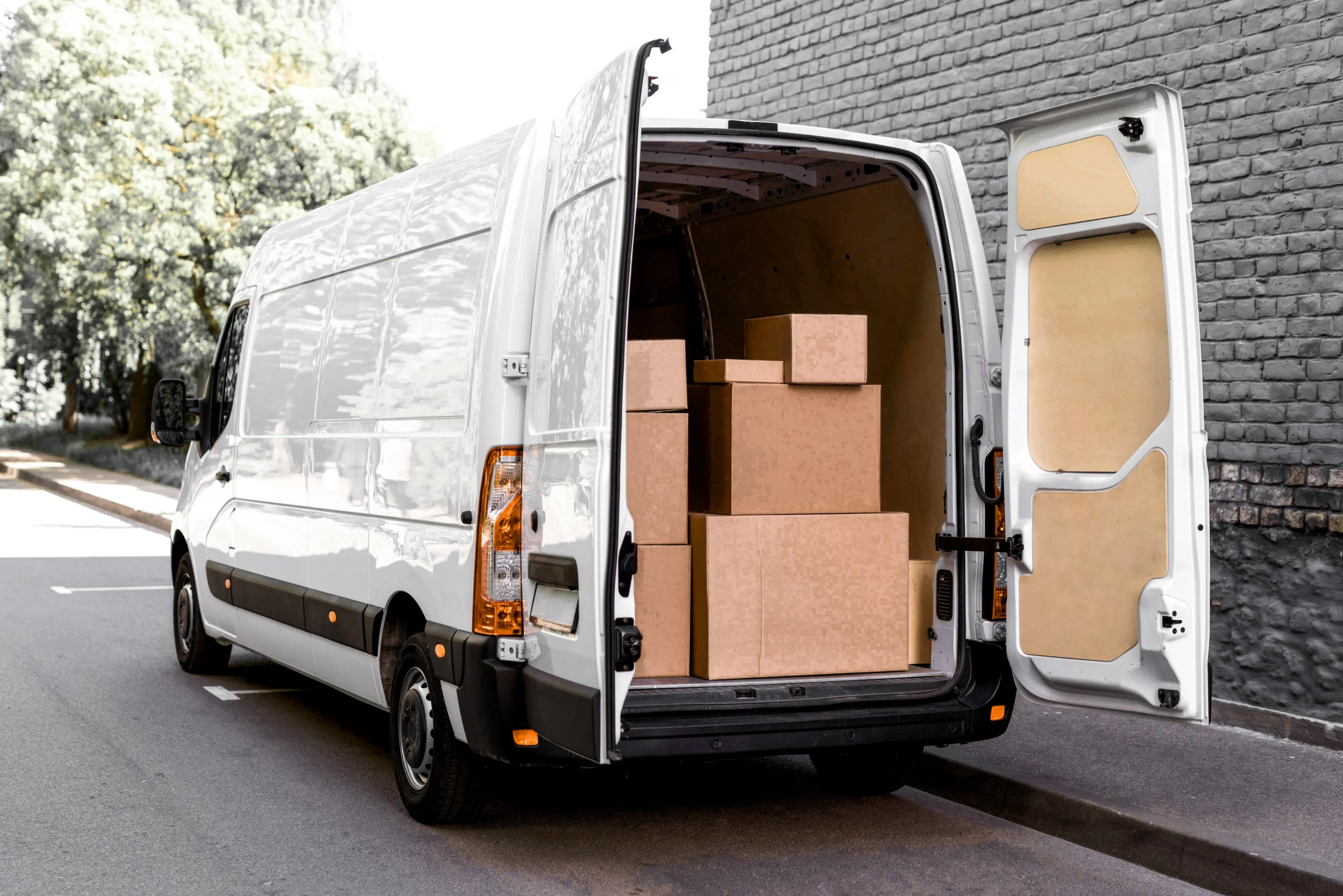
- Road: Road freight is the physical movement of cargo from the point of loading to the point of unloading using vans and trucks through a road network. It offers a faster and cost-effective way of transporting goods over short distances.
- Rail: Rail freight is transporting cargo using trains and railroads. It is especially efficient for moving heavy freight over long distances.
- Sea: Sea freight is the usage of cargo ships to transport heavy goods and loaded cargo. It provides a low-cost option for moving large volumes of goods across the world.
- Shipping containers: Shipping containers are strong metal boxes used to store and transport goods in trucks, trains, and ships. They allow shipping services to transfer cargo between various modes of transport easily.
- Air: Air freight is cargo movement between two places by aircraft. It offers a fast and reliable mode of transport for sending cargo almost anywhere.
Who’s Involved in Freight Shipping
Several key players are involved in freight shipping depending on the shipper’s requirements and the shipping company’s capabilities and services. Let’s look at the role of each party involved in freight transportation:
Freight Forwarders
A freight forwarder is a company that coordinates the movement of the freight shipment to its final destination on behalf of the shipper.
The roles of a freight forwarder include:
- Providing domestic and international freight transportation services, including preparing and processing the documents for international shipments and clearing imported goods for delivery to the recipient.
- Booking cargo space for shipments, specifically for shippers on the ocean or air transportation and negotiating freight rates
- Offering cargo collection, handling, and warehousing services.
- Providing assembly, packaging, and consolidation services.
Freight Brokers
A freight broker is a middleman who organizes safe, efficient, and cost-effective transportation for cargo owners. It doesn’t take possession of the shipment but serves as an intermediary between shippers and carriers.
The roles of a freight forwarder include:
- Maintaining deep knowledge of the trucking industry (truck capacity, load demand, freight rates, etc.) to manage carriers, shippers, and freight transport efficiently.
- Negotiating shipping rates and terms and facilitating real-time communication between the shipper and the carrier.
- Achieving supply chain coordination to ensure cargo movement to its final destination.
NVOCC
An NVOCC (Non-Vessel Operating Common Carrier) performs all the ocean freight services as a shipping carrier but does own an actual vessel or intermodal transportation. NVOCCs usually own and operate their fleet of containers and lease warehouses or distribution centers.
The roles of an NVOCC include:
- Facilitating clear communication between shippers and carriers to smooth on-time delivery.
- Ensuring competitive prices for FCL (full container load) and LCL (less than container) shipments.
- Arrange container capacity for cargo of all sizes.
- Enabling shippers to diversify their carrier base based on capacity and freight rate requirements.
- Leveraging global transportation to provide real-time status of cargo to shippers.
Shipping Carriers
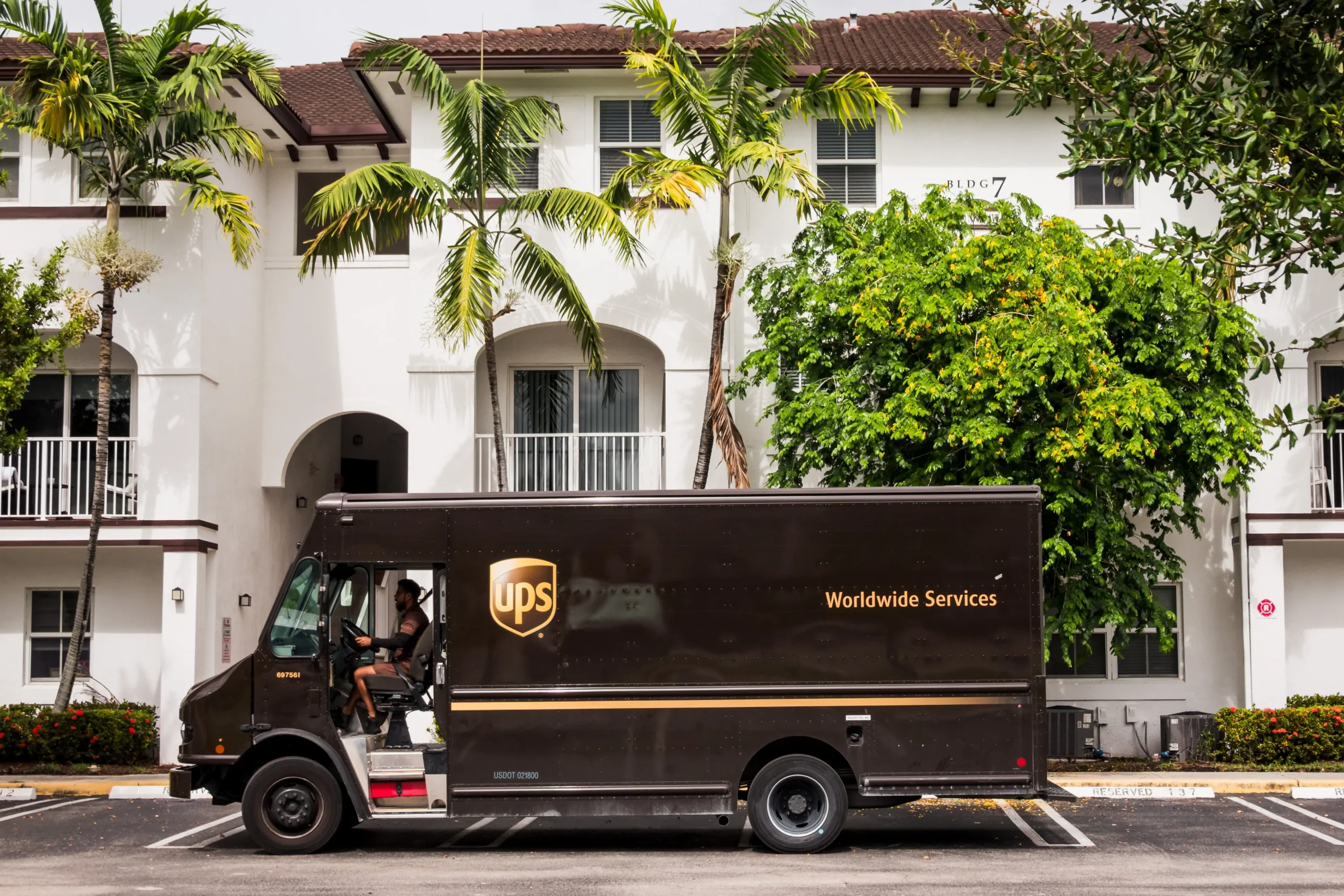
A carrier provides freight shipping services, including over-the-road transport, rail transport, air transport, handling inbound and outbound shipments, warehouse fulfillment, and delivery. They help shippers move goods from one place to the other.
The roles of a shipping carrier include:
- Taking possession of the goods, moving them by suitable means of transport, and delivering them to the consignee.
- Providing FTL (full truckload) and LTL (less than truckload) based on the shipment size.
- Offering a variety of modes of transportation to deliver goods via trucks, rail freight, and air freight.
- Providing eco-friendly shipping to shippers looking to reduce their carbon emissions.
Custom Brokers
Customs brokers act as intermediaries between shippers (importers) and customs authorities in the country of import. They offer customs clearance services by helping shippers meet legal requirements and avoid unnecessary delays and costs.
The roles of a customs broker include:
- Helping importers and exporters meet all the import rules and regulations.
- Determine the duty or tariff tax incurred on cargo imported into a country.
- Preparing the necessary documentation, collecting duties and taxes, and submitting them to the customs agency.
- Ensuring that imported cargo is properly classified, so shippers don’t overpay customs duties and taxes.
- Put together the necessary paperwork and payments, and submit them to customs authorities.
3PLs
A third-party logistics service provider (3PL) is a company offering outsourced logistics and order fulfillment services for shippers, enabling them to minimize ongoing costs and reduce transit time.
According to supply chain consultancy Armstrong and Associates, around 90 percent of Fortune 500 companies operating in the United States rely on 3PLs to improve supply chain and logistics functions.
The roles of a 3PL include:
- Providing multimodal shipping capabilities via trucks, ships, trains, and airplanes to move shipments.
- Offering value-added services such as negotiating shipping rates, packaging and branding, kitting and assembling products, and reverse logistics.
- Helping shippers smoothly upgrade their order fulfillment, inventory management, and distribution network.
- Providing trained staff and expertise to shippers and giving them access to advanced order tracking systems.
- Offering cargo consolidation services by shipping smaller goods into a single shipment to reduce shipping costs and delivery times.
Shippers
A shipper (or consignor) is a person or entity that supplies or owns the shipment and organizes the movement of goods to the consignee.
The roles of a shipper include:
- Packaging and preparing cargo for shipping carriers to collect and transport the goods.
- Building solid relationships with shipping carriers, overcoming shipping challenges, and reducing delayed deliveries.
- Overseeing shipping operations, including package labeling, recording the movement of shipments, and optimizing warehouse management to reduce product shortages.
- Fulfilling customer orders without errors.
- Maintaining communication with carriers, customers, suppliers, and other parties involved in the supply chain.
Get Insights into Your Freight Shipping Profile with Sifted
Domestic and international shipping is complex as shippers must navigate through supply chain disruptions, increasing shipping rates, and rising customs duties and tariffs. Finding the right freight transportation partner can help them move their goods safely and on time while saving on shipping costs.
Sifted Logistics Intelligence offers an LTL reporting dashboard to measure:
- Invoice count
- Net spend
- Spend by month
- Spend by carrier
- And more!
This can help you make critical business decisions by simulating rate changes, the cost of shifting package volume to a new carrier, comparing average transit times, and more.
Ready to create the right carrier blend for your business? Get a free demo from Sifted!