

What Is a Delivery Exception?
A delivery exception (also known as shipment exception) is when package delivery gets delayed for unavoidable reasons such as a damaged or lost package, missing labels, or bad weather conditions.
Here’s how major shipping carriers define delivery exceptions:
- FedEx delivery exception: A delivery exception means your package is temporarily delayed while in transit due to unavoidable circumstances.
- UPS delivery exception: An exception occurs when a package or shipment encounters an unforeseen event, which could result in a change to the expected delivery day.
- USPS delivery exception: A delivery exception happens when a package is delayed due to incorrect shipping information and postal holidays.
- DHL delivery exception: A delivery exception (or shipment exception) occurs when a shipment is temporarily delayed or stalled in transit.
According to Digital Commerce 360, online sales in the U.S. increased from $762.68 billion in 2020 to $870.78 billion in 2021.
The growing demand for online delivery puts pressure on shipping companies beyond their existing capacity, particularly during the peak season. Customer expectations for fast delivery times, coupled with persistent errors from the delivery end puts a strain on shippers to maintain customer satisfaction.
In this article, we’ll talk about the different types of status exceptions and highlight the best practices to mitigate the impact of delivery delays.
Are shipping mistakes slipping past your glance? Take better charge of your shipping costs to avoid mistakes with Sifted Logistics Intelligence.
Different Types of Status Exceptions
Here are the common types of status exceptions generated by delivery delays:
Label Damage or Incorrect Address
A common reason why shippers receive delivery exception statuses is when the essential information on the shipping label is unreadable or incorrect. This can happen for various reasons including damaged labels, missing labels, wrong delivery addresses, and unscannable barcodes.
Shipping label failures can cause your package to be delayed or undeliverable, costing you time and money.
Pick Up Issues
In most cases, shippers are responsible for pick up delays. Common causes of pick up exceptions include shippers failing to place the order in time, mishandling over a package to the driver, or carriers not accepting the package in their system due to an incorrect shipping address.
In addition, inclement weather conditions and capacity constraints can also prevent a driver from picking up your shipment at the scheduled time.
Delivery Issues
Late shipments plague eCommerce businesses – often through no fault of their own. Delivery exceptions and delays can happen for a variety of reasons including wrong recipient address, customs delays, severe weather conditions, and damage to delivery routes due to a natural disaster like a wildfire.
Delay issues may also happen if the recipient is not available to accept the package for some reason. The delivery driver typically tries again to deliver the package the next day.
Holidays
Delivery employees take a break from their daily mail duties on federal holidays, causing a change in the scheduled delivery date. Shippers may also experience shipment exceptions during the peak holiday season because there is an increase in shipping volume, and off days accelerate the shipment backlog.
In addition, post offices may remain open on national holidays, but not deliver or pick up packages.
Loss and Damage
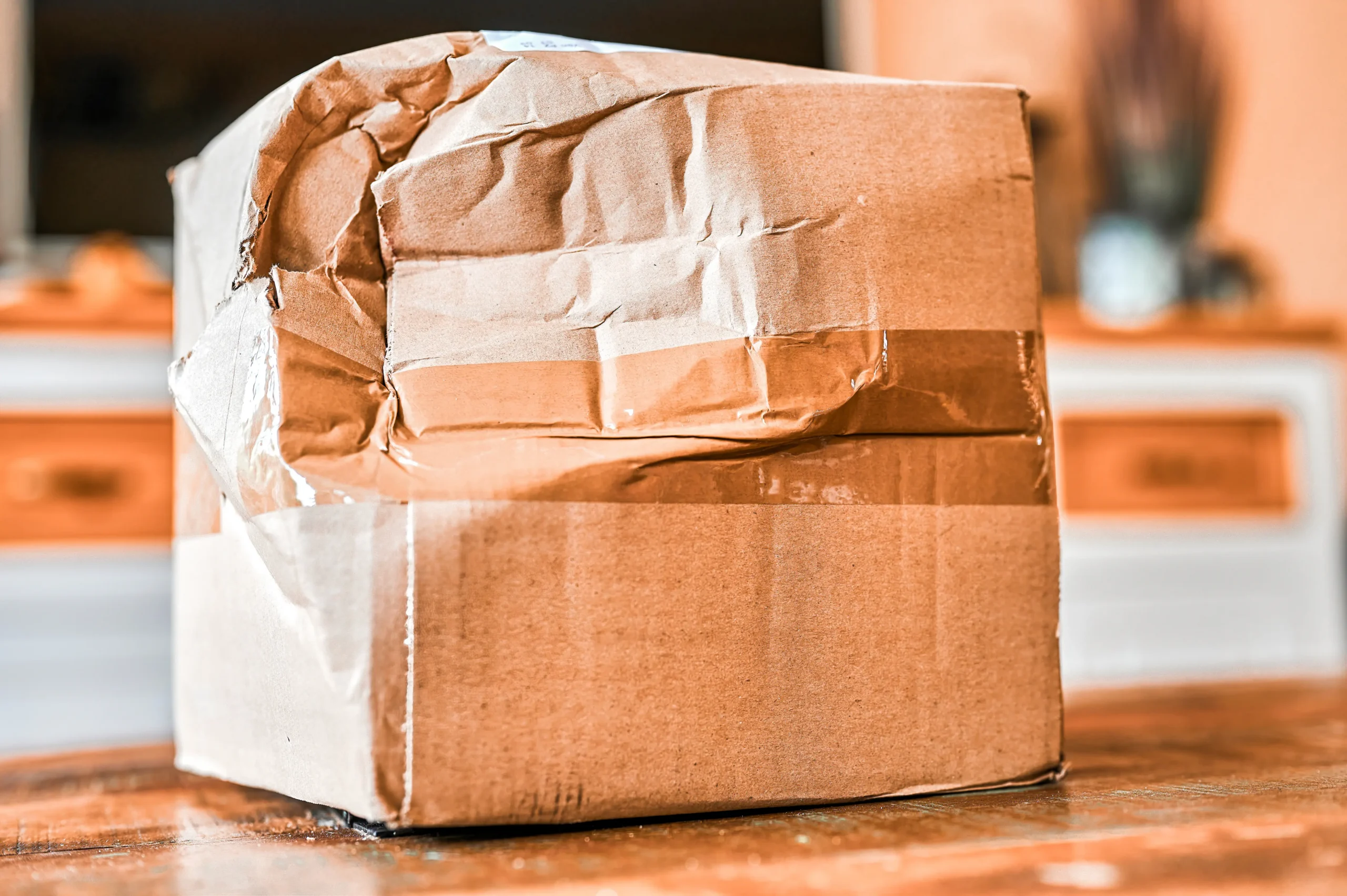
Carriers make every effort to make the shipping process seamless and hassle-free. However, packages get misplaced or damaged during transit from time to time. When this happens, shipping carriers decide to put a hold on the shipment and send it back to the delivery station. They send a “Damaged” or “Lost” delivery exception notice to the shippers to inform them about the shipment status.
How Shippers Can Handle Delivery Exceptions
Here’s the step-by-step process you should follow to effectively respond to delivery exceptions:
1. Contact the Carrier Right Away
If you receive a package exception notification, you should immediately contact the carrier to get the tracking status of the package and the reason for the incomplete delivery. In most cases, you can call the delivery driver and resolve the issue on the spot. For example, if the package has the wrong address, you can provide the correct address, allowing the driver to deliver the package on time.
Delivery guarantees usually cover the costs of delayed or failed deliveries. That means if the carrier damages the package or shipping, you should contact the carrier and claim a refund. Follow your carrier’s shipping guidelines to maximize your chances of getting a refund.
Refunds could be slipping through the cracks! Sifted’s automated parcel audit tracks carrier errors and files refund claims per the carrier’s Money Back Guarantee policy.
2. Contact the Customer
After you’ve communicated with the carrier, make sure you reach out to your customer to inform them about potential delays. Moreover, suppose the delivery issue is related to missing or incorrect shipping information on the package. In that case, you can contact the customer to get the correct details and share them with the delivery driver.
Offering greater visibility when orders are in-transit has a positive impact on customers’ future purchases from the same seller. According to a Dropoff study, 88% of online shoppers expect to monitor their order status at every step of the delivery process.
3. Resend the Package or Issue a Refund
Carriers and shippers do everything to ensure that packages are delivered on time and in good condition. However, if you find out that a package doesn’t reach its destination or if it is damaged when it’s delivered, you should issue a refund or replacement to the customer. In addition, you should file a claim for reimbursement with your carrier or insurance company to cover your costs.
Prepare for Status Exceptions with Sifted
Damaged packages, shipping errors, and peak shipping season are some of the most common causes of delivery exceptions. You can overcome these shipping problems by communicating with your carrier and customers in a timely manner to resolve issues as soon as you receive a status exception.
Sifted’s Parcel Insurance helps you deal with delivery exceptions by insuring your shipments (limited to a certain amount). You can use the parcel invoice feature to make the claims and refunds process easy and fast.
Get the right insurance coverage for your parcel deliveries. Get a free demo from Sifted!