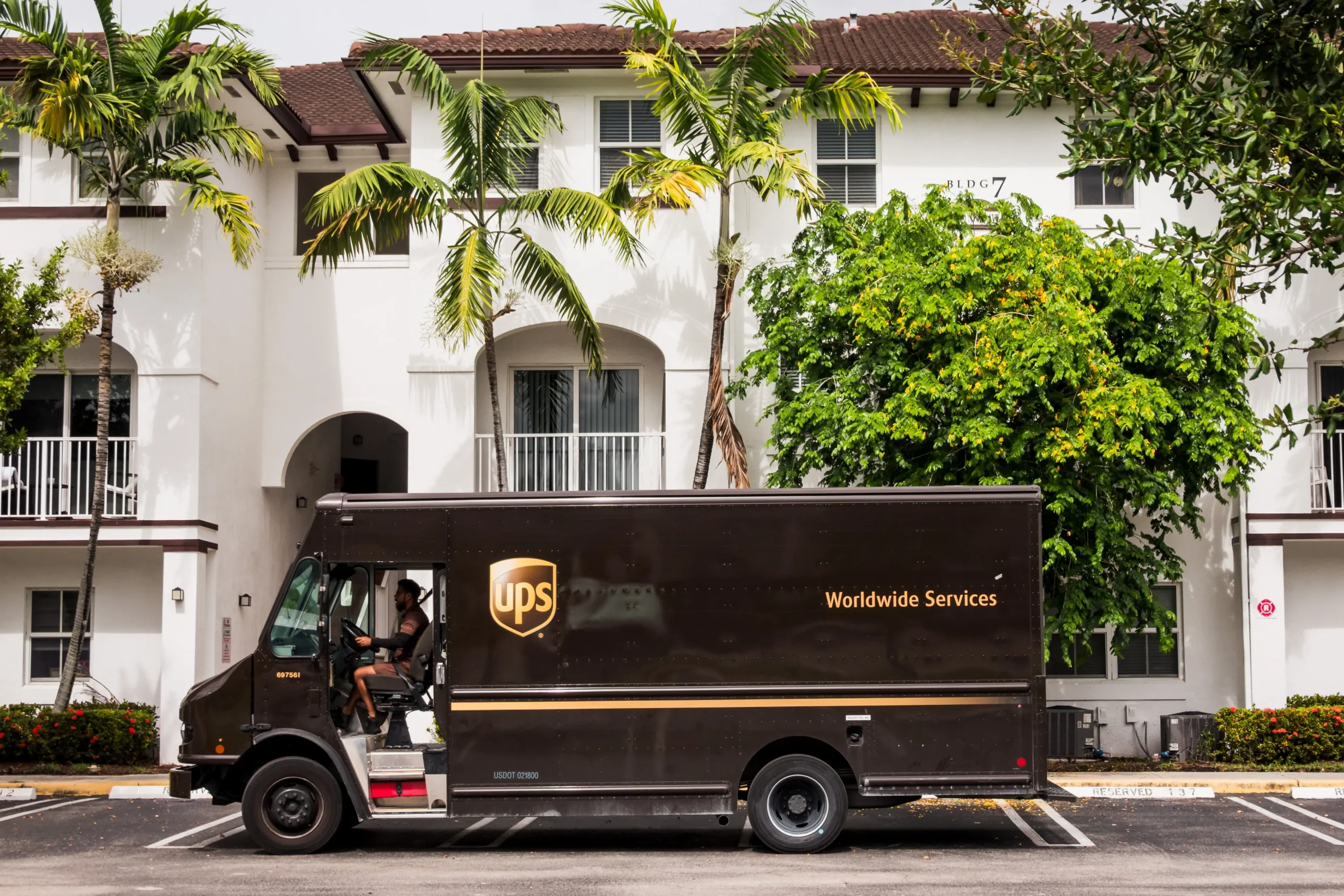


On March 25, the U.S. Postal Service announced a transportation-related price change that marks a first in its history: a fuel surcharge on package services. The 8% surcharge will apply to Priority Mail Express, Priority Mail, USPS Ground Advantage, and Parcel Select, effective April 26, 2026 through January 17, 2027, pending Postal Regulatory Commission approval.
First-Class Mail, stamps, and other non-parcel products are not affected.
The surcharge is a direct response to rising transportation costs driven by fuel price increases over the past several weeks. As CNBC reported, oil prices have risen sharply following the conflict in Iran, putting pressure on transportation providers across the board. USPS noted in its announcement that even with this surcharge, its rates remain lower than those of private carriers.
Why This Matters Beyond the 8%
For years, USPS has been one of the few carriers that did not apply a fuel surcharge to parcel shipments. That made it a stable, predictable cost anchor, particularly for lightweight parcels shipped via Ground Advantage. While FedEx and UPS adjusted fuel surcharges weekly based on diesel and jet fuel indexes, USPS pricing remained largely static between rate cycles. For many shippers, that predictability was a core reason to include USPS in their carrier mix.
That distinction is now gone.
More importantly, USPS indicated in its press release that this surcharge will serve as a bridge toward a permanent mechanism for reflecting market conditions in competitive product pricing. In other words, this isn’t framed as a one-time correction; it’s a step toward structural change in how USPS sets prices. As Axios noted, USPS had resisted fuel surcharges for decades, positioning itself as a lower-cost alternative. That era appears to be ending.
How USPS Compares to FedEx and UPS on Fuel
FedEx and UPS have used index-based fuel surcharge mechanisms for years. Both carriers tie their surcharges to published fuel benchmarks: U.S. on-highway diesel for ground services, Gulf Coast jet fuel for air, and update rates weekly. These surcharges apply to both transportation charges and many accessorial fees, creating a compounding effect that can meaningfully increase total landed cost.
USPS has not yet disclosed the full mechanics of its surcharge, whether it will be indexed to a fuel benchmark, updated on a set cadence, or applied to accessorials in addition to base rates. Those details will matter. An 8% flat surcharge on transportation charges is a different cost profile than an indexed, compounding mechanism applied across multiple line items.
For shippers accustomed to managing fuel surcharge variability from FedEx and UPS, the key question is whether USPS pricing will now move with the same market forces and how quickly. If it does, the cost floor that USPS provided for certain shipment profiles starts to shift.
For a deeper look at how fuel surcharges work across carriers, see our guide: What Is a Fuel Surcharge and How Does It Impact Your Shipping Costs?
What Shippers Should Do Now
The April 26 effective date gives shippers roughly a month to assess exposure and adjust. Here is where to focus.
Quantify your USPS exposure. An 8% surcharge on a small volume of Priority Mail is a different conversation than 8% across a large Ground Advantage program. The impact depends entirely on your unique shipping operation.
Reassess your carrier mix. If USPS pricing becomes more variable, the relative economics between USPS, FedEx, and UPS shift. Shippers who routed lightweight parcels to USPS specifically to avoid fuel surcharge volatility need to rerun that analysis. Total landed cost, not base rate, is the metric that matters when comparing carriers.
Model forward, not backward. This surcharge runs through January 2027, and USPS has signaled a permanent mechanism may follow. Shippers should be modeling what their parcel spend looks like under sustained USPS fuel surcharges, not just the nine-month window. Build the scenario into your forecasts now.
Watch the January 2027 sunset closely. The expiration date is less an endpoint and more a decision point for USPS. If volume holds and costs remain elevated, expect the surcharge (or something similar) to become permanent and potentially broader.
How Sifted Clients Can Leverage SiftedAI Copilot to Assess Your Impact
For Sifted clients, SiftedAI Copilot can quantify the impact for you. Prompt it by saying: “USPS announced an 8% fuel surcharge on the following parcel services: Priority Mail Express, Priority Mail, Ground Advantage, and Parcel Select. It’s effective April 26, 2026 through January 17, 2027. How will this impact me?”
The Bigger Picture
This surcharge is one data point in a broader trend: carriers across the board are aligning prices more closely with the true cost of moving freight. Fuel, demand, delivery density, package characteristics, all of these factors are becoming more explicitly priced. The shippers who treat each change as an isolated event will continually play catch-up. The ones who build cost-to-serve discipline, who know their data, model their scenarios, and align their commercial and operational decisions, will maintain leverage.
Carrier pricing is getting more precise. Shipper strategy needs to be equally so.
Make Faster, Data-Backed Shipping Decisions with SiftedAI Copilot
When carrier pricing shifts, the shippers who respond fastest are the ones with the clearest view of their data. SiftedAI Copilot gives you that view: analyzing your shipping profile, modeling surcharge impact, and surfacing optimization opportunities so you can act on changes like this one before they hit your P&L.