


Returns are no longer a minor operational task. For most eCommerce businesses, a UPS return is the default path when a customer ships something back. That makes understanding UPS return fees, label types, and drop-off behavior essential for controlling reverse-logistics costs.
As parcel rates rise and consumer expectations shift, UPS returns are becoming more expensive and less predictable. But with clearer visibility and stronger planning, shippers can better anticipate costs and protect margins.
In this article, we break down:
- Why UPS returns are growing more costly
- What’s included in a UPS return label cost
- Customer expectations around “Where can I return?”
- How return volume distorts your shipping profile
- Strategies to reduce the financial impact
Why UPS Returns Are Becoming More Expensive
Outbound shipping follows a known pattern. Returns rarely do.
A UPS return moves through the network with fewer tracking events and far less predictable timing, often carrying wider swings in service fees. That level of uncertainty complicates everything from staffing to inventory planning to budget forecasting.
Several factors are driving cost increases:
Rising Carrier Rates and Surcharges
UPS return packages can incur the same charges as outbound shipments: fuel surcharges, residential surcharges, Additional Handling fees, demand surcharges, and, importantly, DIM weight charges. And because return shipments are harder to forecast, the fees tied to them often slip by.
Shifting Customer Expectations
Today’s consumers expect returns to be fast, flexible, and frictionless. That’s why they’re asking questions like:
- “Where can I return a UPS package?”
- “Is there a UPS return near me?”
- “Can I complete a return without printing a label?”
Meeting these expectations typically requires retailers to offer more flexible return paths, which can improve satisfaction but also come with higher carrier fees and additional handling costs.
Limited Inbound Visibility
Reverse logistics behaves like inbound freight: less predictable and consistent, as well as harder to track. Without visibility, it’s difficult to plan workload, track high-return SKUs, or understand the true cost impact of UPS returns.
The Hidden Costs Inside Every UPS Return
The price of a UPS return label is only the beginning. What happens once the package comes back often carries greater operational weight.
Transportation Charges
- Depending on the service level used, a UPS return package may accumulate:
- DIM weight adjustments
- Fuel and residential surcharges
- Additional Handling fees for irregular packaging
- Delivery Area Surcharges based on the drop-off or pickup location
Prepaid UPS labels simplify the customer experience but limit your ability to redirect volume when rates change.
Restocking and Inventory Processing
Once a package arrives, your team needs to inspect it, repackage it, and route it appropriately. Delays can stall replenishment and tie up working capital.
Fraud and Policy Abuse
Even small percentages of return fraud, like empty box claims, product swaps, or worn items marked “unused,” inflate operational cost quickly.
Customer Support Demand
Without a clear view into return status, teams spend time answering questions that could be automated or surfaced through integrated return data.
Understanding UPS Return Methods (and Their Cost Impact)
UPS offers several return models, each with different cost structures. Choosing the right one matters.
UPS Print Return Label
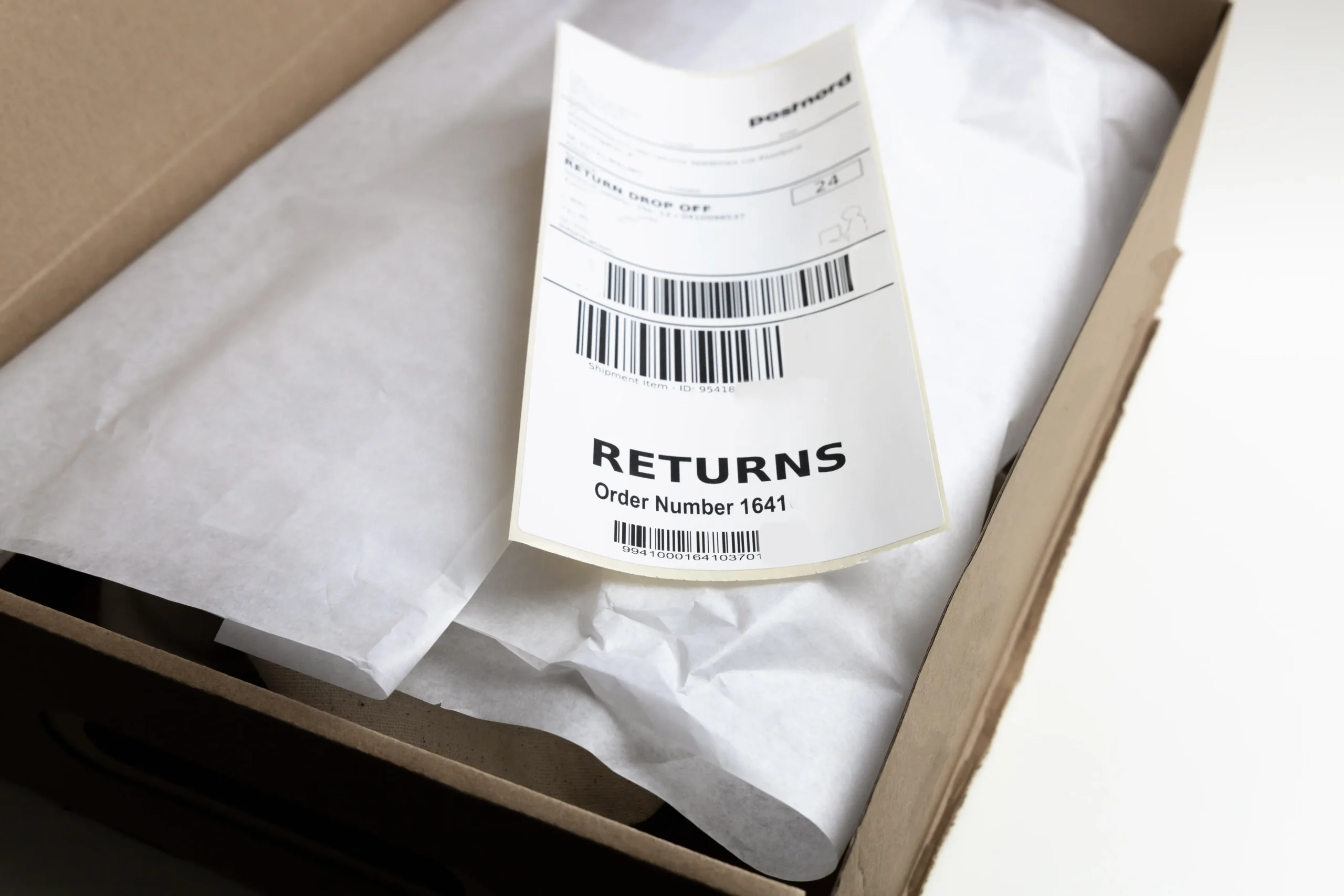
A physical label included in the original shipment.
- Pros: Easy for customers; lowers support requests.
- Cons: You pay for labels whether the customer uses them or not.
UPS Electronic Return Label
A label emailed to the customer.
- Pros: No wasted labels; good for after-purchase support.
- Cons: Still difficult to redirect volume when pricing shifts.
Print and Mail Return Label
UPS prints the return label and mails it to your customer.
- Pros: Reduces friction for customers; aligns with “paperless” expectations; supports customers without printers
- Cons: May increase return frequency; slows the return cycle; adds mailing cost.
UPS Returns® Plus
A driver picks up the return at the customer’s location.
- Pros: Customer convenience.
- Cons: Higher cost per return; limited control over consolidation.
Across all methods, clear communication helps customers choose options that balance convenience and cost.
Where Can I Return a UPS Package? Customer Expectations in 2025
A growing driver of return behavior is proximity. Customers search for phrases like “UPS return near me” or ask directly “Where can I return a UPS package?” They expect simple, close-to-home options such as:
UPS Access Point® Locations
Available at neighborhood retailers, Access Points streamline drop-offs and help consolidate volume.
The UPS Store®
Offers extended hours and quick processing, improving refund speed.
Parcel Lockers & Third-Party Partners
Parcel lockers give customers more flexibility, especially useful for after-hours returns.
More drop-off options improve the customer experience, but they also spread volume across multiple return channels, making forecasting harder without strong visibility.
How UPS Returns Distort Your Shipping Profile
Returns sit outside traditional reporting for many shippers. When UPS return data isn’t integrated with outbound analysis, decisions become less accurate.
Inbound Behavior Disrupts Forecasting
UPS return packages do not follow the predictable cadence of outbound shipping. That makes labor planning harder and increases processing variability.
DIM Weight Is Often Underestimated
If outbound packaging is oversized, the same packaging inflates cost when the product comes back. Return DIM discrepancies often go unnoticed.
Outbound Profitability May Look Higher Than It Really Is
Without return data included in total cost calculations, margins appear stronger than they are.
Strategies to Reduce the Cost of UPS Returns
Return costs will continue rising, but shippers can limit their impact with a few focused actions.
Improve Product Information and Sizing Accuracy
Clear descriptions reduce preventable returns and improve customer confidence.
Use Packaging More Strategically
Right-sized packaging lowers DIM weight fees on both outbound and UPS return shipments.
Offer Flexible Return Options Thoughtfully
Locker and Access Point® returns improve consolidation and lower transportation costs.
Clarify Return Windows
Shorter, well-communicated timelines help reduce inventory aging and speed up replenishment.
Use Return Fees Sparingly and Strategically
Waive fees for loyal customers while protecting margins on low-value or high-risk SKUs.
Why Return Visibility Matters More Than Ever
Return costs often span multiple systems and departments. When those datasets don’t connect, the real financial impact stays hidden. Better visibility helps shippers pinpoint high-return SKUs, understand where costs accumulate, and see how returns affect margins. With the right insight, teams can plan more effectively and respond to trends before they escalate.
SiftedAI strengthens the rest of your parcel operation—the areas that ultimately determine whether your business can absorb the growing cost of reverse logistics.
Inside the platform, teams can:
- Analyze outbound shipping patterns to spot cost drivers and inefficiencies
- Identify packaging issues that inflate DIM weight charges
- Monitor carrier fees and surcharges that quietly add to spend
- Pinpoint service choices that consistently raise costs
- Use Parcel Audit to catch unexpected charges and billing inconsistencies
Returns introduce pressure, but outbound optimization is often where meaningful savings live.
Stronger visibility across your entire parcel profile helps create space in the budget for return-related expenses without impacting the customer experience.
SiftedAI makes those opportunities easier to see and easier to act on.