

Amazon started in 1995 with a website selling only books.
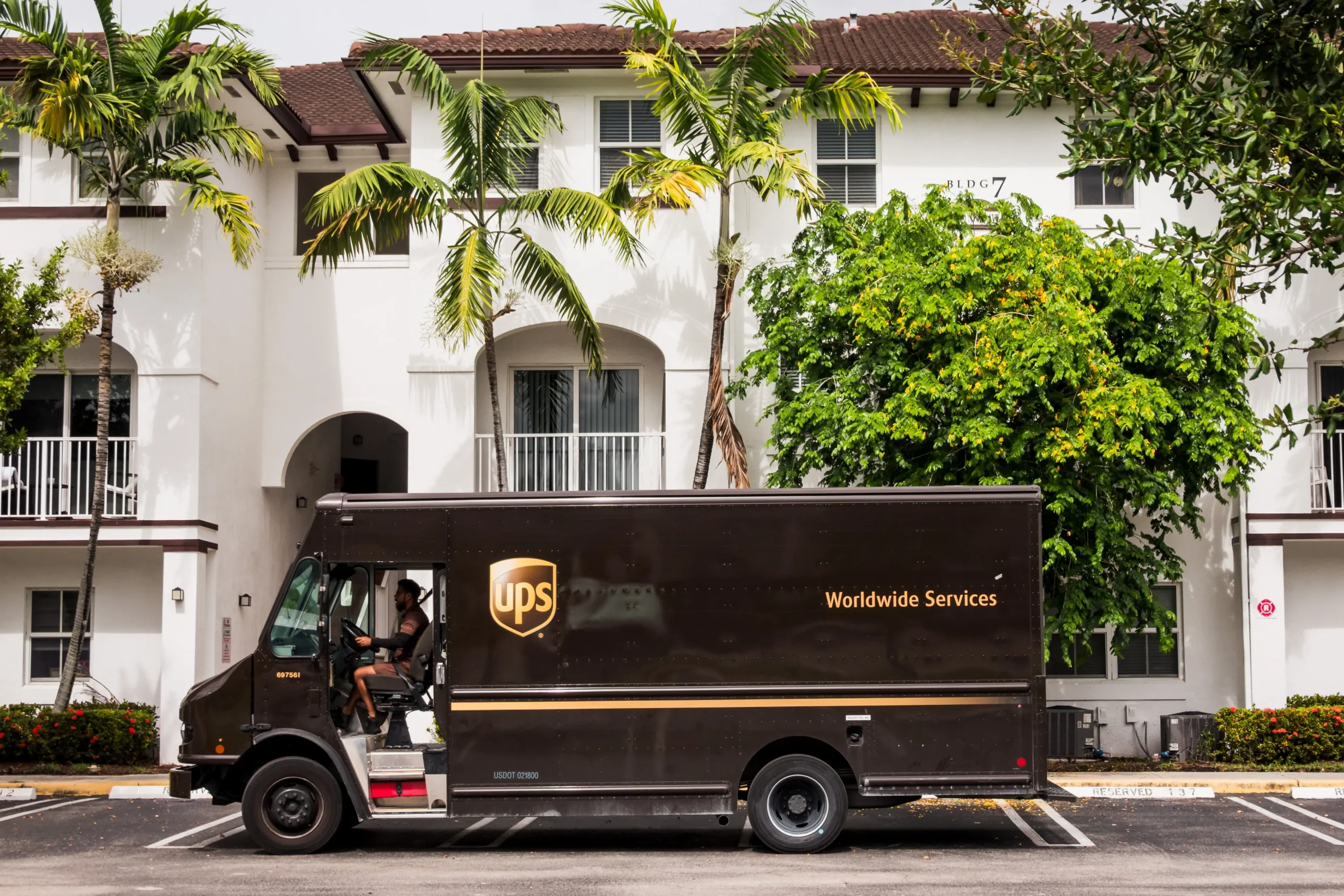
In the initial days, Amazon used UPS, FedEx, and the US Postal Service as its logistics partner.
Jeff Bezos’s goal was to sell as many products as possible in small quantities through Amazon. To achieve this goal, Amazon came up with the famous FBA (Fulfilled by Amazon) model, in which the seller sends the products, pays for storage, and Amazon is in charge of delivering the product to the end customer.
Now let’s look at how the Amazon supply chain works, as it stocks 130 million units and manages millions of transactions.
9 Key Elements to Amazon’s Supply Chain Strategy
Amazon’s unique and efficient supply chain gets to work the moment an order is placed.
1. Customer is King
“Our goal is to be earth’s most customer-centric company.” – Jeff Bezos
Did you know?
Jeff Bezos always leaves an empty chair in internal meetings next to him. He says an empty chair makes him and his staff think on behalf of an important customer who isn’t attending the meeting.
As a part of their regular process, Amazon employees attend call center training to extract customers’ points of view on products, services, and Amazon in general.
By putting themselves in the customer’s shoes, Amazon has come up with the most convenient customer delivery schedule options.
For example, how many times have you had an Amazon parcel delivered to your office address – only during your office hours? We can’t think of another supply chain company doing this.
2. Annual Subscription and Tailored Incentives
The annual subscription comes with several advantages for its customers.
Amazon has managed to awe their customers with same-day or prioritized delivery to free delivery while continuously optimizing their supply chain.
With the introduction of Fulfilled by Amazon (FBA) in 2006, the product catalog skyrocketed, and the delivery time decreased dramatically.
Amazon scored big on brand loyalty by introducing its subscription service.
No, not Amazon Prime. But Amazon’s subscription boxes and Amazon Family. These subscription loyalty programs allow you to customize your product boxes and essential items and get them delivered every month. How cool is that?!
Prioritized delivery and free delivery options boosted sales easily for Amazon. Not just that, customers earned incentives on shipping options like no-rush shipping, instead of same-day, one-day, or two-day delivery choices.
Coupon credits are rewarded to customers for shopping and choosing specific ‘shipping windows.’ These shipping windows are the ones that benefit Amazon’s supply chain systems. With lower delivery volumes and product traffic, shipping window choices improved last-mile unit economics for Amazon, making this option dramatically profitable for the supply chain giant.
3. Specialized Warehouses
Amazon is a trendsetter in warehouse automation and robotics.
Automated systems reduce manual labor and errors. This saves a lot of time and gives an extra edge to supply chain efficiency.
Robots not only pick orders from designated shelves perfectly but also package products in small containers, move the products, and replenish stocks in distribution centers without human error.
Robots reduce costs significantly in distribution centers located in expensive neighborhoods.
Automation and robotics work in tandem in distribution centers where small-sized electronic components are stored. Modern robots can also locate items stored in smaller remote bins in the warehouse using radio frequency identification (RFID) codes and memory tracking technology.
4. Location and Standardization of Distribution Centers
Amazon has Distribution Centers across the United States. Close geographical proximity to their customers help serve them faster while saving on warehouse rental and disputes.
Once an order is placed, the distribution center closest to the customer picks up and delivers the order based on inventory availability.
Amazon has a standardized design for all its distribution centers. Processes, systems, layouts, roles, and responsibilities are all a part of this time-saving standardization.
This saves millions of dollars in man-hours for Amazon by reducing the number of operational challenges for the supply chain giant.
5. Fast Fulfillment
For the last few years, Amazon has implemented Warehouse Execution System (WES), which makes it possible to fulfill orders within 20 mins to an hour from the moment an order has been placed. Amazon has set the benchmark at 20 minutes, and it is met most often.
WES ensures that the most in-demand products are in stock in the warehouse and ready to be dispatched. Products that are not available in stock are ordered just in time to fulfill immediate customer demand.
Amazon can stay on top of demand and fulfill orders because of its predictive analytical systems and good relations with third-party vendors.
6. Quick Improvisation
The pace of the logistics industry is changing rapidly, making it almost mandatory for Amazon to think out of the box to face risks and emergencies.
For example, to ensure shopping is a dream experience for its customers, Amazon implemented several changes on its platform as well as its operations:
- Single click ordering
- Product tracking and personalized recommendations based on order history
- One-click shopping experience on Instagram and Pinterest feeds and posts
- Package pick up from Amazon hubs or Amazon lockers
7. Top-Notch Product Quality
“Quality is remembered even after the price is forgotten” is the foundation on which Amazon’s product quality is based.
Amazon has set up strict product quality guidelines with the help of the Amazon Transparency Program to ensure the genuineness and quality of the products they sell. The guidelines remain the same for third-party suppliers as well.
The transparency program helps in:
- Identifying fake products with unique codes given to brands
- Keeping all the information about the product transparent
- Ensuring payment transparency with detailed product pricing
An additional rule is that Amazon outsources to distributors or warehouses. This guarantees that health and safety standards are met for the employees and the warehouse environment is guaranteed.
8. Demand Planning
Amazon uses Amazon Web services for data-driven demand planning and accurate forecasting.
Historical sales and demand data is combined with other factors like product category, seasonal demand information, weather, etc. to estimate the exact supply and demand.
9. Exceed Expectations
Amazon goes out of its way to overperform – every. single. time.
Be it with customer service, product complaints, delivery time promises, or value for money. Amazon exceeds expectations.
The key point Amazon instills time and time again is to keep identifying the weaker areas and work on making the system efficient and cohesive – every day.