


The sweater that didn’t fit.
The toy that didn’t work.
The hilarious coffee mug you got for your cousin a couple of months ago, but when it was time to wrap gifts you couldn’t figure out where you stashed it, so you gave her a gift card instead and now you just found it in the back of your closet.
What do they have in common? Like so many other items purchased for the holidays, they’re all getting returned.
What goes out must come back (sometimes)
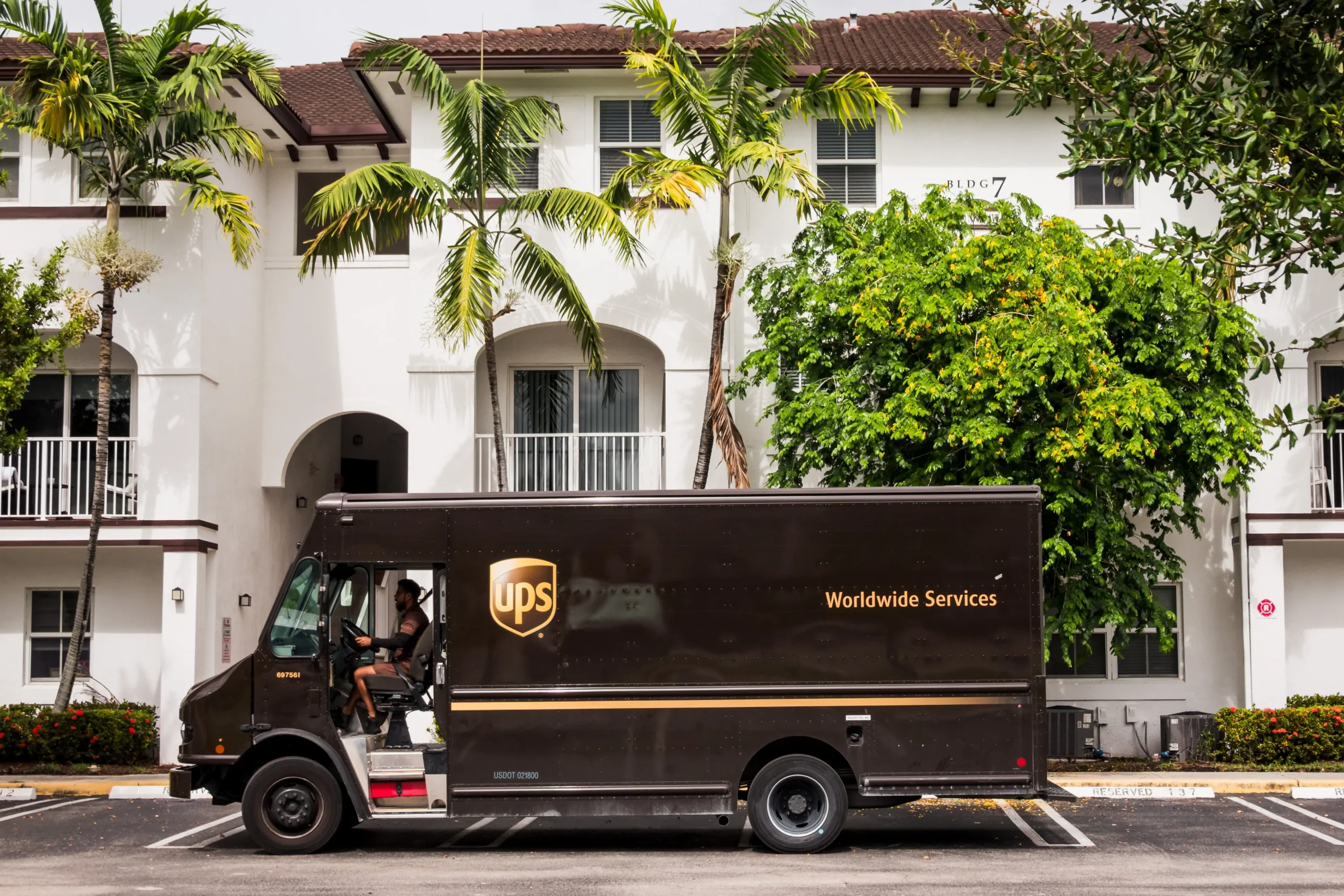
It’s holiday gift return season, and it’s a big deal: Shoppers are predicted to return $41.6 billion worth of merchandise that they bought late last year, and UPS estimated it would handle 1 million return packages every day during the holiday season.
If the costs of returns have you looking in the break room couch cushions for spare change, it’s time to make a better plan for 2020.
The challenges of returns
As tough as managing outgoing shipping costs can be, managing the cost of returns (also called reverse logistics) is perhaps even more so, primarily because so much of the process rests in your customers’ hands. Look out for these speedbumps in your shipping operations.
Free returns: Customers have grown so used to getting free shipping that they’ve come to expect it on the way back to the seller too. In fact, a 2018 study showed that 69% of shoppers surveyed said they didn’t buy from a retailer if they had to pay for return shipping, and 96% said that they’d shop again at an online retailer that made the return process simple.
Balancing your costs with this customer expectation is a delicate maneuver. Online retailers can expect that 15-40% of purchases will be returned, depending on the item, making it key to factor this expense into your Cost of Goods Sold and create a solid returns policy that works for your business. Many companies find that their most serial returners are also their best customers, making a lenient policy worth it overall.
Fulfillment by Amazon (FBA) errors: If you sell through the FBA program, you know Amazon isn’t infallible. While customer return errors are not as common compared to other areas of the FBA program, it’s still something to keep an eye on.
When a customer returns something they’ve purchased from you through the FBA program, Amazon immediately debits the purchase amount from your FBA account. But if they do that in error and you don’t catch it, you’re leaving money on the table. Errors by Amazon can include:
- The customer initiated a return outside the allowable window (typically 30 days).
- The customer didn’t return the product within the 30-45 day window.
- The customer was refunded the incorrect amount.
- The customer didn’t return the correct product.
- The item arrived damaged when received at Amazon’s fulfillment center.
- The item made it to the fulfillment center but was never added back to the seller’s inventory.
- Amazon agreed to reimburse the seller for any of the above errors but doesn’t follow through.
Return fraud and serial returners: Jaw-dropping stories of return fraud are easy to find, but less-newsworthy incidents of return fraud could be chipping away at your profits. In 2018, Apriss Retail estimated that 9 percent of holiday returns were fraudulent, at a cost of $6.5 billion.
Putting a stop to all return fraud is impossible, and as always, maintaining an excellent customer experience is paramount. Avoid punishing customers with legitimate returns by improving your return practices. Shopify suggests identifying and then segmenting your customers by the type of returner they are in your CRM and personalizing shipping policies and offers accordingly.
Improving your returns process
Returns and other reverse logistics can be a costly expense if you don’t have a solid plan in place and clear customer messaging. In 2020, work on these tasks to put more money back in your bottom line.
- Determine how returns are affecting your profits and ensure you understand your Cost of Goods Sold. Examine the shipping costs, as well as the costs of restocking, reselling, recycling or disposing of those items once they’re returned to you.
- Next, develop or refine your return policy to meet your customers’ needs and your own — and then clearly communicate it throughout the shopping process. Don’t just save it for the fine print in the final step. Use it as part of your marketing to make your customers feel good about making a purchase from you.
- Know what’s gone out so you know what might be coming back. Investigate tools that allow you to monitor both outgoing and incoming shipments so you can better validate returns, track them and manage their cost.
Now that the holiday rush is over, it’s time to start taking a hard look at your shipping — the costs, your procedures, and your customer experience. You might have overlooked returns in the past as a way to save, but it’s a great place to start.
Worried you might be making other shipping mistakes? Check out our white paper, Five Big Shipping Mistakes Your Company Is Likely Making, for some more tips.