

Shippers should always be on the hunt for optimization and cost-reducing shipping methods. And one way to ensure that you’re making the best choices? HOW you ship your products to consumers.
But when comparing parcel to LTL freight options, it’s hard to tell which choice is best. And it’s crucial that shippers like you understand the differences, but more importantly, which one is most profitable for your shipping business.
Let’s deep dive into LTL and how it compares to standard parcel shipping services.
What is LTL?
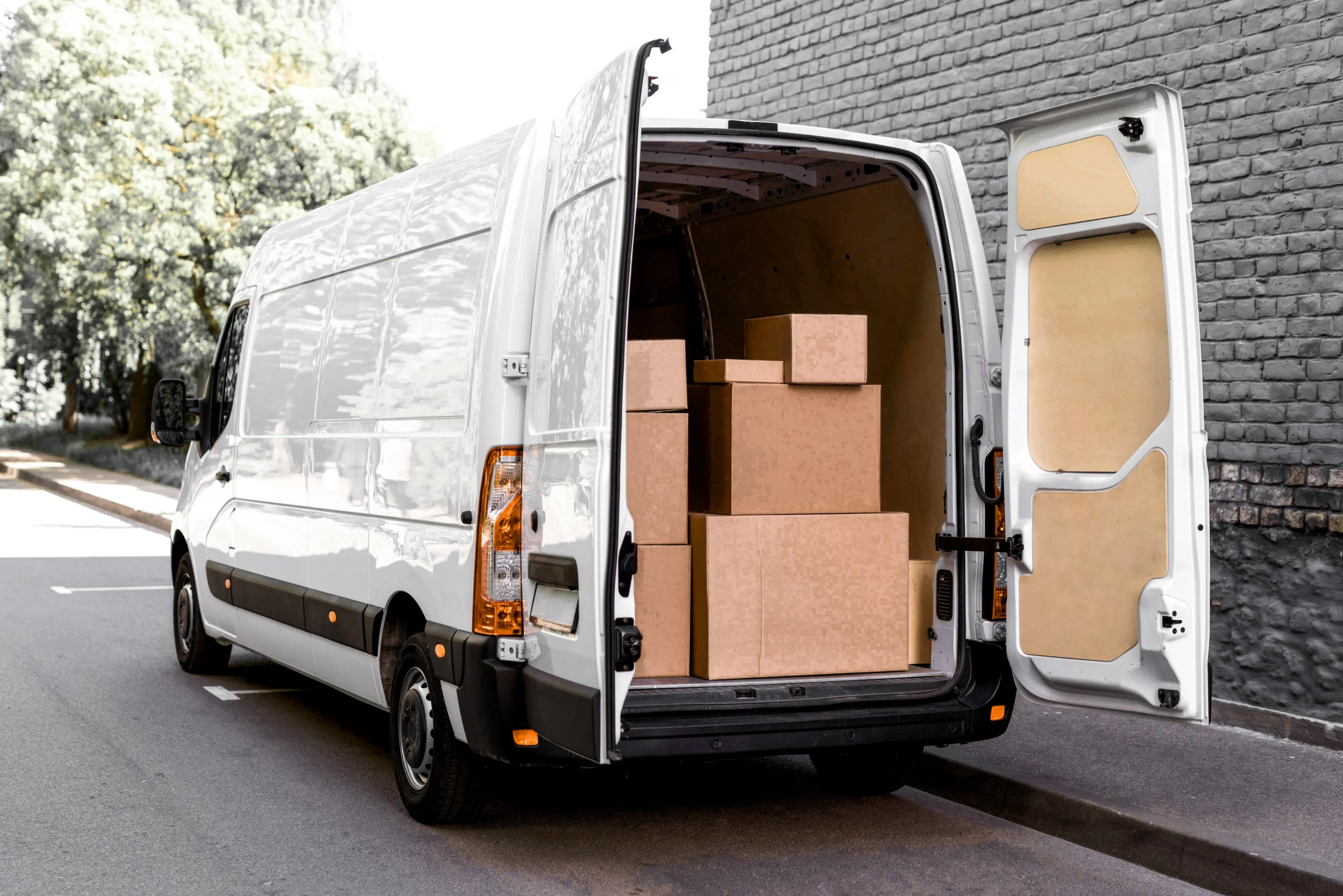
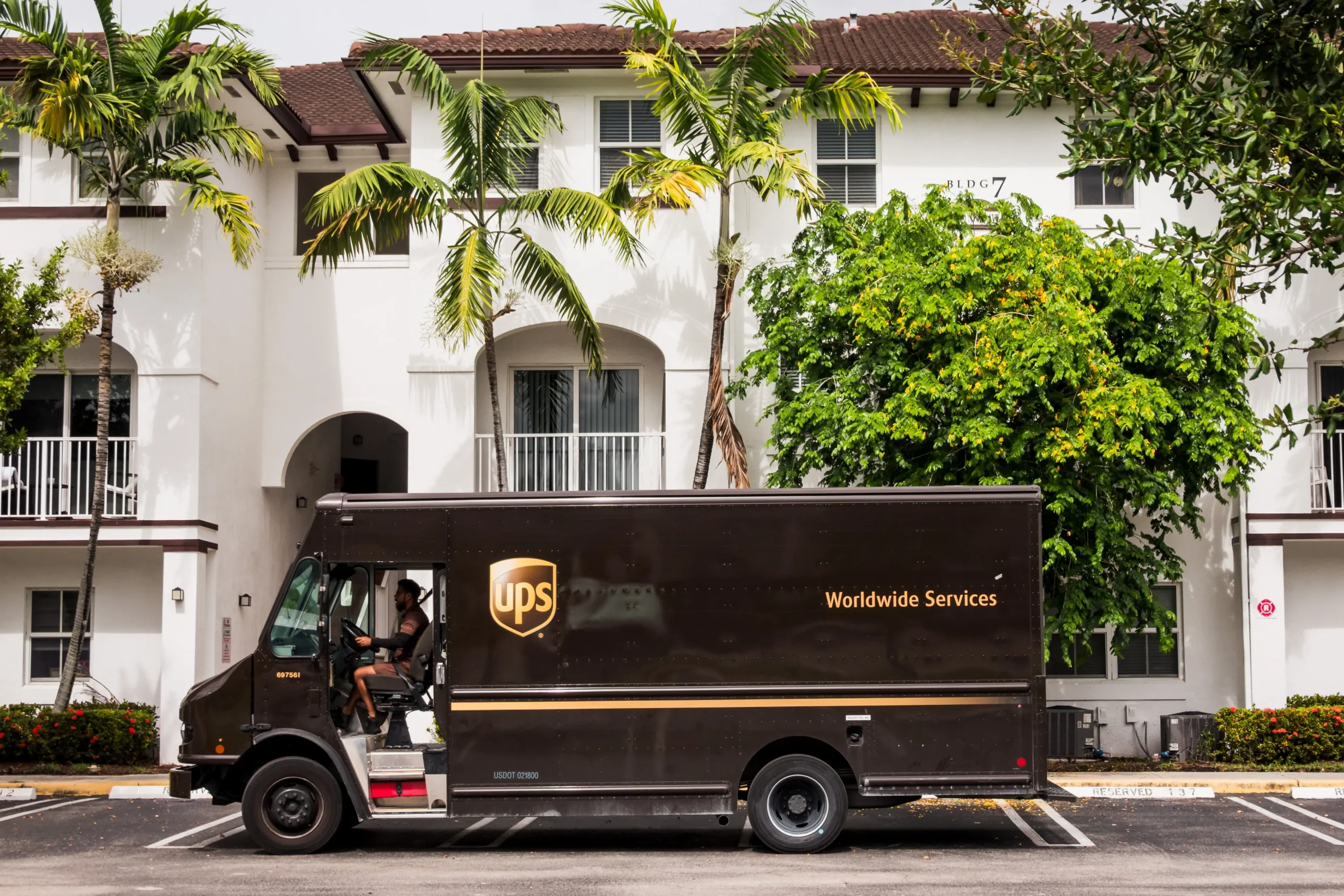
LTL is ‘less than truckload’ shipping. And it’s used when a shipper’s products won’t fill a full truckload (FTL). It’s also an alternative shipping method to parcel carriers when products are too large, need pallet protection (cluster of products shipped on one pallet, moving as a group), or aren’t shipped often. And because the products only take up a portion of the truck, shippers can share the space. Think ‘rideshare,’ but for the transportation of your products – or a bus where many people get on but have different destinations for drop off.
What do parcel shippers need to know about LTL for their shipping needs?
LTL could be a reasonable alternative to traditional parcel services if:
- Time isn’t a huge factor in the delivery of your products. Remember the bus analogy? There are many stops to drop off all the products on the truck (not just yours), so it’s not a straight shot.
- Your products are larger or uniquely shaped, making it harder to transport through parcel methods. Dodge those hefty oversized/large packages fees from carriers. But still accurately calculate length, width, height, and weight. LTL carriers depend on measurements to assign individual loads for each truck. Inaccurate dimensions or weights result in pricey shipment adjustments from the carrier.
- If you need or want all of your packages delivered to a single location. This can save on costs since all your products are moving together
- You’re not shipping regularly
- Your products need more protection from loss or damage. LTL freight uses pallets to secure your shipments which can significantly reduce any risks associated with damaged products during transit
- You’re shipping across multiple parcel zones. Not only does LTL offer fewer checkpoints throughout the transit process, but it allows for zone skipping to avoid traditional parcel carrier zone charges. It’s also considered a safer shipping option because there are fewer transfers
Going with LTL freight over a parcel service can be beneficial for all the above reasons, but that doesn’t mean it’s always the right choice for your specific business, or cheaper. Since LTL carriers tend to charge a bit more when you can’t fill the truck bed, and parcel carriers have hefty fees for bigger packages (or lack the room period) – shippers need to weigh their options carefully.
What’s the difference between parcel services and LTL?
Let’s look at some factors to consider between the two services:
- Parcel shipping
-
- Capable of shipping packages weighing less than 150lbs and easier to transport
- Improved economical advantage by sending fewer, lighter packages
- Advanced delivery and pickups: shipments can be scheduled in advance for convenience
- Higher risk for damages, loss, and delays (due to multiple checkpoints throughout the transport process)
- Has various delivery locations and drop-offs
-
- LTL shipping
-
- Used for packages that are oversize/large or even oddly shaped
- Allows for the product to be palletized and stored efficiently to avoid risk (which carriers LOVE)
- Higher package security means fewer checkpoints or check-ins
- Less risk in transit (odds of damage and loss are lower)
- Handles the capacity that traditional parcel shipping cannot while giving an alternative option to FTL
- Allows for all shipments to be delivered in a singular location to save
- More environmentally friendly. Emissions are reduced by using fewer trucks
-
In sum, if shippers have small packages that can be handled without additional lifting and are easy to transport in large volumes, traditional shipping routes are the way to go. But if the products are large, harder to transport, and need more space or protection to reduce damage, LTL shipping is likely the best option. And that’s where some data digging comes into play.
How can shippers maximize savings?
Easy. It’s all in your data! Your historical shipping data holds all the answers to which transportation service makes the most sense, and don’t worry; we’re not asking you to forage through your spreadsheets.
Sifted can sift through your shipping profile and parcel data to find you the best shipping solutions that are easy on your mind and wallet.
And if you do decide to go with an LTL carrier, we’ve got you covered. Our NEW LTL reporting dashboards offer you insight into:
- Invoice count
- Net spend
- Spend by month
- Spend by carrier
- Spend by charge
- Average shipment cost
- Average cost/pound
- Total rebilled freight
- Total accessorial charges
- Spend by accessorial charges
Interested? Let’s chat.