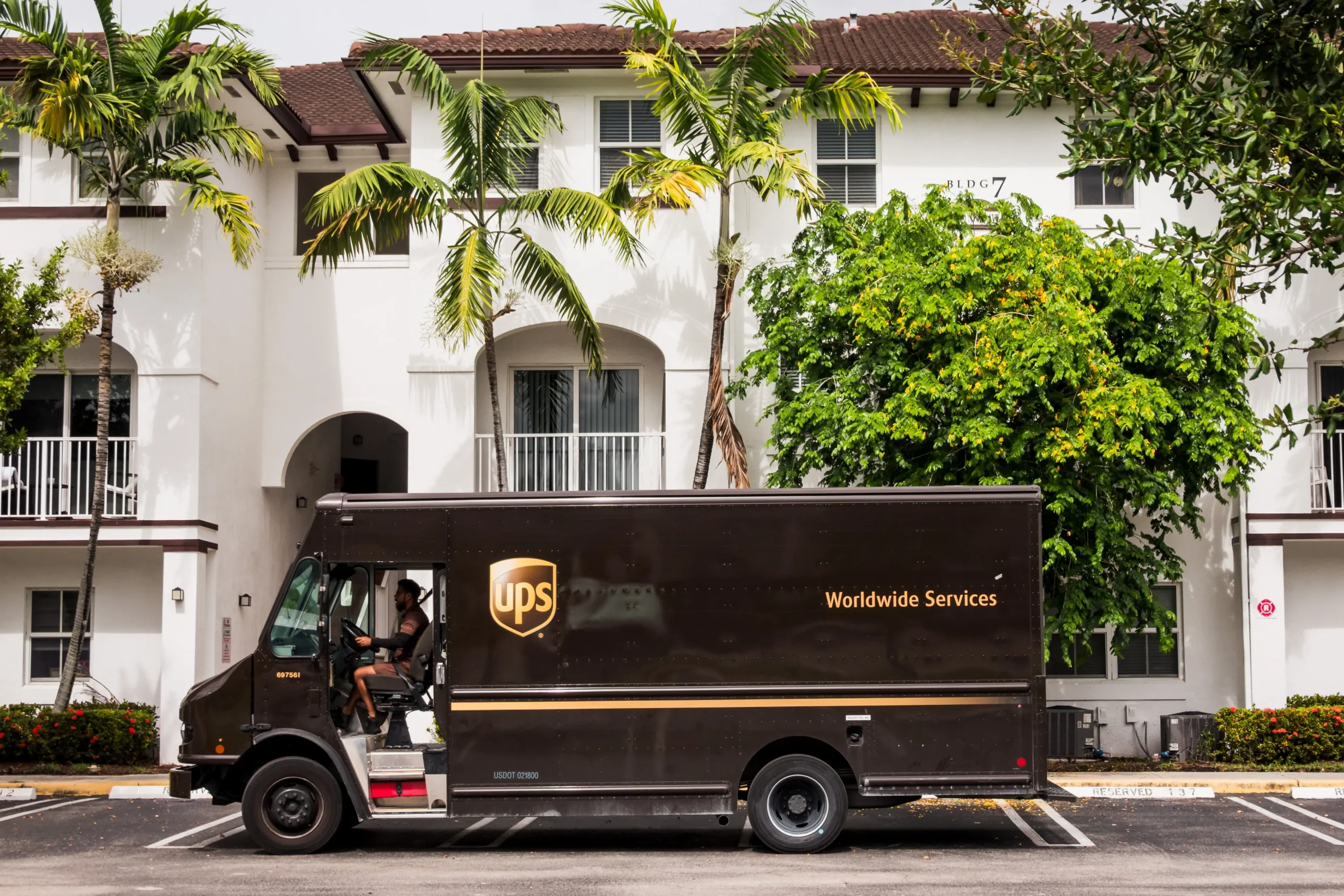



While you might dread the idea of UPS contract optimization, getting good rates isn’t as hard as you think. The key is preparation and a cool head. There are five steps to follow to set yourself up for success.
How to Optimize UPS Rates
Step 1: Get familiar with your data.
Step 2: Make a plan for what you want to accomplish in the optimization.
Step 3: Keep your eye on the big picture.
Step 4: Play nice.
Step 5: Have a backup plan.
Step 1: Get familiar with your data.
We know, we know. Who has time to sit down and pore over their shipping data with the holidays coming and Shipageddon on our hands?
But if you want to optimize the best UPS shipping rates, you’re going to have to get as familiar with your data as your rep is. Knowing your shipping profile is imperative to lowering the right rates and terms and reducing your shipping spend.
Get to know your:
- Weekly package volume
- Service type mix (ground/express/hundredweight/LTL)
- Average cost per package
- Common package dimensions and average weights (actual and billed)
- Most costly surcharges
- Average time in transit
- Consumer shipping speed expectations and preferences
Step 2: Make a plan for what you want to accomplish in the optimization.
You wouldn’t hop in the car and try to drive cross-country without a map, right? You’d end up way off course and spend way more money than you had to along the way.
The same is true for your UPS contract optimization plan. But if you’ve done your research and you know all about your shipping profile, you’ll be ready to make a plan that will save you money.
First, identify and tackle your controllable costs internally and take them off the optimization table so they won’t distract you. Then use the data you’ve gathered to identify 5-7 points of optimization and understand the impact these points will have on your shipping spend.
Stay laser-focused on getting great rates for these items. They’ll differ for every shipper, which is why it’s so important to understand which services and surcharges are costing your company the most. There’s no set formula that will meet your needs to the fullest — it all depends on your data.
Step 3: Keep your eye on the big picture.
When thinking about how to optimize UPS shipping rates, many shippers get a bit fixated on one particular point of optimization, like which pricing tier you’re in. But that’s a mistake. Focusing on one issue distracts you from other changes to your contract your rep might be presenting, like the minimum charge. Always keep your eye on the overall impact the contract rates will have.
Throughout the optimization process, continually evaluate the terms and rates being offered and model them with your own historical shipping data. What would a higher minimum charge and moving to the next tier do? Is it a wash? Are you actually losing money? Only careful analysis will tell you.
Step 4: Play nice.
It’s easy to let any optimization start to feel contentious, but it’s helpful to remember you’re each protecting your own company’s interests. And you don’t want to alienate your rep. In today’s overrun shipping environment, you might need some goodwill built up to help ensure your shipments make it into the system and arrive on time.
Keep your conversations professional and polite. Refer back to your optimization plan and cost modeling often so you can offer knowledgeable reasoning for the terms you’re requesting.
Step 5: Have a backup plan.
Whether you’re a new UPS customer or you’ve been with them for years, it’s always smart to have conversations with other carriers about how they can meet the needs of both your company and your customers better. It’s tough to play hardball in a optimization if you don’t have an out or any other carrier’s rates to compare with what you’re being offered.
When considering alternatives, don’t forget about regional carriers, LTL and last-mile delivery services. If it’s been a while since you explored what’s out there, you might be surprised by the options that could serve you better than a traditional carrier.
Frequently Asked Questions
- What are UPS optimized rates vs. published rates?
UPS published rates are the standard charges for UPS services and are found in their rate guide. Of course, any UPS shipper should optimize their rates to keep their shipping spend under control. Your UPS optimized rates will be listed in most UPS systems you might use to prepare a shipment. Always make sure you have the Optimized Rates option selected in the UPS system so you get the most accurate rate information. - Does UPS charge by weight or size?
There are two ways UPS (and other carriers) start to establish the base charge for a package. The first is by its actual weight, rounded up to the nearest pound. The second is by dimensional weight, which is also rounded up after it’s calculated.Dimensional weight, or DIM weight, is calculated by multiplying a package’s length, weight, and height and then dividing by the DIM divisor, like this:(L x W x H) / DIM divisorThe standard DIM divisor is 139, but it can be optimized. If your shipments tend to have larger DIM weights, this could be a point you might include in your optimizations plan. (Check that data!) - How are UPS rates calculated?
UPS charges a base rate that is based on the package’s actual or dimensional weight, its pickup and delivery points, and the shipping speed desired. After that, shipping insurance (for packages valued over $100), fuel surcharges and any other surcharges (like the Residential surcharge or Delivery Area surcharge) are added to give you a total cost. But don’t forget — other costs can be added later for circumstances that arise in the delivery, like the Address Correction surcharge. - Is UPS, FedEx or USPS cheaper?
This depends entirely on what you’re shipping, where you ship it, your shipping volume and so much more. This is why it’s so important to understand your shipping profile. Once you know the details and trends of your shipping, you can choose (and optimize with) the carrier that best helps you reduce your shipping costs.
Start optimizations by looking within
There’s a lot to consider when you want to optimize with UPS for better rates. The most important factor is preparation. Know your data and have a solid plan in place for what you need to achieve to truly lower your shipping costs — and try to stay friendly in the process.
Before you optimize, make sure you have all the information you need about surcharges. Find it in our eBook, 5 Budget-Busting Surcharges & How to Lower Them.