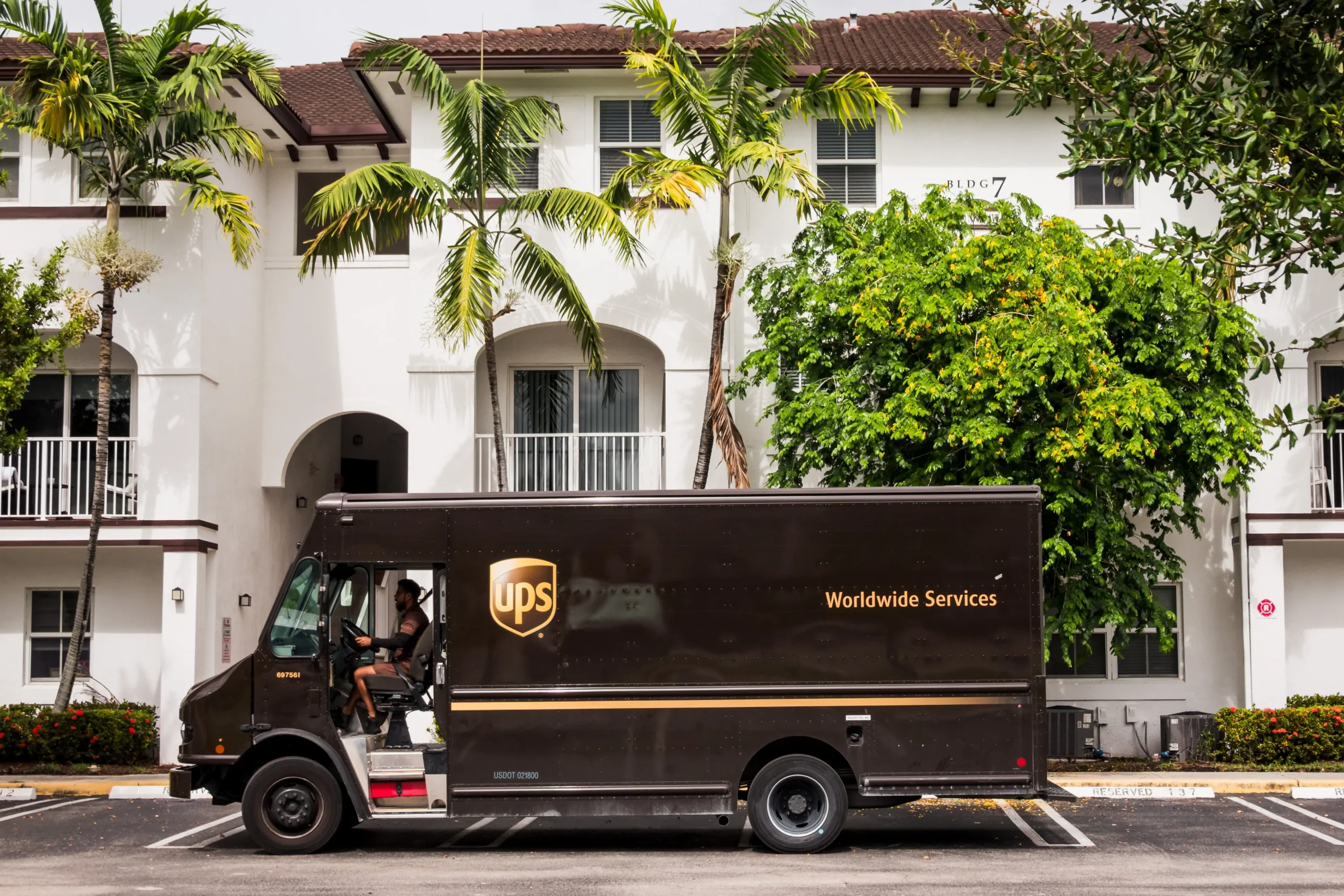


Delivery Area Surcharges (DAS) play a major role in a shipper’s parcel spend, often more than expected. These fees occur when carriers deliver to ZIP codes considered difficult or less cost-efficient to serve. And because DAS classifications change frequently, even shippers with stable networks can see sudden cost increases.
This guide explains what a DAS is, its purpose, how major carriers calculate it, and how to manage and reduce these charges.
What Are Delivery Area Surcharges?
DAS are fees carriers apply to deliveries (and sometimes pickups) in ZIP codes considered difficult, expensive, or inefficient to service.
This includes:
- Remote or less-populated areas
- Suburban pockets with low stop density
- Certain dense urban neighborhoods with congestion or infrastructure challenges
Carriers use these surcharges to offset higher operational costs such as increased fuel consumption, longer routes, additional labor time, or restricted access points.
DAS is added on top of the base shipping cost, which means even small changes to surcharge lists can impact your overall shipping expenses, complicate budgeting and pricing strategies, and even raise prices for consumers.
By understanding these fees, businesses can more accurately forecast expenses, adjust pricing accordingly, and identify cost-saving opportunities.
Why DAS Exists: A Brief Origin Story
Delivery Area Surcharges emerged in the late 1990s with FedEx and UPS as a way to account for the higher costs of serving rural ZIP codes. DAS helped carriers offset those inefficiencies while maintaining service coverage.
Over time, DAS expanded beyond strictly rural locations. More carriers began applying surcharges to certain urban and suburban areas where delivery complexity drove up operational costs. Traffic congestion, toll-heavy routes, security restrictions, and low delivery density in growing suburban neighborhoods all contributed to higher last-mile expenses. In some regions, new or shifting infrastructure also created routing challenges that made deliveries less efficient.
Today, DAS reflects changing delivery patterns and has become a meaningful revenue lever for carriers as they work to balance network costs and performance.
When Are Delivery Area Surcharges Applied?
To determine whether a delivery qualifies for DAS, carriers typically rely on ZIP code groupings, distance from distribution hubs, historical delivery data, or service level types. While the goal is to account for the added expense of serving harder-to-reach areas, the exact criteria and which ZIP codes are affected vary by carrier.
One important thing many shippers don’t realize is that DAS isn’t a fixed fee. What one carrier considers a “remote” delivery area may be treated as standard by another. That means a ZIP code flagged for DAS by one carrier might not incur the same surcharge with a different carrier or service level.
For businesses shipping frequently to specific (especially remote) ZIP codes, it’s critical to compare how DAS is applied across different carriers and service types. Understanding these differences can surface cost-saving opportunities and help you choose the most efficient shipping strategy for your business.
How DAS Changes Over Time
Carriers review and adjust DAS lists using logistics modeling and mapping tools. Several factors can trigger changes:
ZIP+4 Level Updates
DAS and Extended DAS (EDAS) can be applied at the ZIP+4 level, not just the standard 5-digit ZIP code. This means that two addresses in the same ZIP code may be treated differently based on their proximity to major delivery routes or carrier facilities.
Route Optimization and Delivery Density
Carriers evaluate delivery density, fuel costs, and driver time per stop. Areas that were once considered “urban” can be reclassified as DAS if delivery volume drops or congestion increases. On the flip side, growing high-density developments in rural areas may be removed from DAS lists.
Infrastructure and Last-Mile Cost Shifts
New distribution centers, hubs, or route improvements can change what carriers consider “remote.” Likewise, areas that once required long detours due to construction, limited road access, or ferry transport may no longer justify a surcharge.
ZIP Mapping and Modeling
Using GIS (Geographic Information System) mapping and predictive cost models, carriers reassess route efficiency and serviceability. As a result, an “urban” ZIP code can suddenly become DAS-eligible due to network or zone restructuring, not a change in geography.
Seasonal and Volume-Based Adjustments
DAS rules can also shift during peak shipping periods. In high-volume seasons like Q4, carriers may apply temporary or surge-related DAS adjustments. In some cases, a ZIP code may only incur DAS during part of the year due to capacity constraints.
How Major Carriers Calculate DAS
UPS
UPS applies Delivery Area Surcharges based on a shipment’s destination ZIP code and service level. ZIP codes are classified as Standard, Extended, or Remote, with harder-to-reach areas incurring a flat per-package fee to account for higher delivery costs.
List of UPS DAS ZIP codes (as of December 21, 2025)
DAS rates can vary by service type (Ground vs. Air), residential versus commercial delivery, and distance from UPS hubs. The most isolated locations, such as parts of Alaska and Hawaii, typically carry higher “Remote” surcharges.
UPS determines DAS eligibility using internal ZIP code lists that are automatically applied when a label is created. While DAS is a flat fee, it can stack with other charges like Large Package or Additional Handling surcharges, making it an important cost factor for shippers to monitor.
Example:
A UPS Ground package from Kansas to a customer in ZIP code 01071 (Russell, Massachusetts).
Base rate: $12.50
DAS: +$2.00
Total: $14.50
FedEx
FedEx follows a similar framework and applies Delivery Area Surcharges based on the destination ZIP code, classifying it as Standard, Extended, or Remote. Shipments going to harder-to-reach or less populated areas incur a flat per-package fee to account for higher delivery costs.
List of FedEx DAS ZIP codes (as of June 2, 2025)
DAS rates vary depending on service type (FedEx Ground vs. Express), residential vs. commercial delivery, and how remote the destination is. Extended and remote areas, including parts of Alaska and Hawaii, typically carry higher surcharges.
FedEx determines DAS eligibility using published ZIP code lists that are applied automatically when a shipment is processed. While the surcharge is a flat fee, it can significantly impact shipping costs, making it important for shippers to regularly review which ZIP codes are affected.
Example:
A FedEx Ground order from Nevada to a customer in ZIP code 81611 (Aspen, Colorado).
Base rate: $15.00
DAS: $4.00
Total: $19.00
USPS
Unlike UPS and FedEx, USPS does not apply a blanket Delivery Area Surcharge. Due to its federal mandate to serve all U.S. addresses, including rural areas, USPS instead builds distance and delivery complexity into its base pricing.
USPS shipping costs are primarily determined by delivery zones (Zones 1–9), which reflect the distance between the origin and destination ZIP codes. Pricing also varies based on package weight, dimensions, and shape, with additional fees for oversized, non-standard, or bulky packages.
While USPS doesn’t use a traditional DAS model, it does apply “rural surcharges” for certain hard-to-reach ZIP codes. These charges, along with zone-based pricing and package-specific fees, can make some remote deliveries more expensive.
Example:
A USPS Priority Mail order from California to a customer in ZIP code 27574 (a rural area near Roxboro, North Carolina).
Base merchant rate: $13.44
Commercial rate for rural ZIP: +$0.72
Total: $14.16
DHL
DHL applies Delivery Area Surcharges—referred to as Remote Area Surcharges and Extended Area Surcharges—to shipments going to locations outside its standard delivery routes. These fees help offset the higher costs of delivering to hard-to-reach areas, where longer distances, limited infrastructure, specialized transport (such as boats or small aircraft), and lower shipment volumes increase operational complexity.
DHL determines surcharge eligibility using internal lists of remote and extended locations, which are updated as delivery patterns and operational costs change. Depending on the destination and service, the surcharge may be applied as a flat fee per shipment or as a percentage of the base rate.
DHL Global Service Point Locator here
When a shipment is created, DHL automatically checks the destination against its classified zone database. If the address qualifies, the applicable surcharge is added to the shipping cost alongside other factors like weight, dimensions, and service level.
Example:
A DHL Express Worldwide package from New York to a customer in ZIP code 59201 (Wolf Point, Montana).
Base charge: $82.00
Remote Area Surcharge (RAS): $25.00
Total: $107.00
How to Manage and Reduce DAS
While these fees are often unavoidable, their impact isn’t fixed. With the right data and fulfillment strategy, shippers can significantly reduce their DAS exposure.
1. Start by measuring your exposure.
Identify which ZIP codes trigger DAS and how frequently they appear in your order volume. This visibility helps you pinpoint where surcharge costs originate and prioritize the areas with the greatest opportunity for savings.
2. Leverage multiple carriers.
DAS rules vary by carrier and service. A multi-carrier strategy allows you to route shipments through the most cost-effective option for each destination, rather than absorbing unnecessary surcharges across the board.
3. Ship closer to the customer.
Distributing inventory across regional fulfillment centers, or supplementing with regional carriers, can shorten delivery distances and reduce last-mile costs, including DAS.
4. Right-size packaging and services.
Oversized packages and premium services often increase surcharge exposure. Optimizing package dimensions and defaulting to ground services where possible can help keep fees in check.
5. Be intentional with pricing.
When DAS can’t be avoided, many businesses offset the cost with regional shipping fees, higher free-shipping thresholds, or clear checkout messaging.
6. Automate smarter decisions.
Rules-based routing and shipping analytics make it easier to avoid unnecessary surcharges at scale without adding operational complexity.
Stay Ahead of DAS with SiftedAI
SiftedAI helps shippers stay ahead of DAS changes—without the manual work.
SiftedAI gives shippers real-time visibility into DAS charges, monitoring changes, and validating contract compliance.
With built-in modeling, you can see how network, carrier, and service mix decisions impact DAS, so you can reduce exposure before costs add up.
Ready to take control of DAS and your overall parcel spend?
Explore your shipping data in SiftedAI and make decisions with confidence.