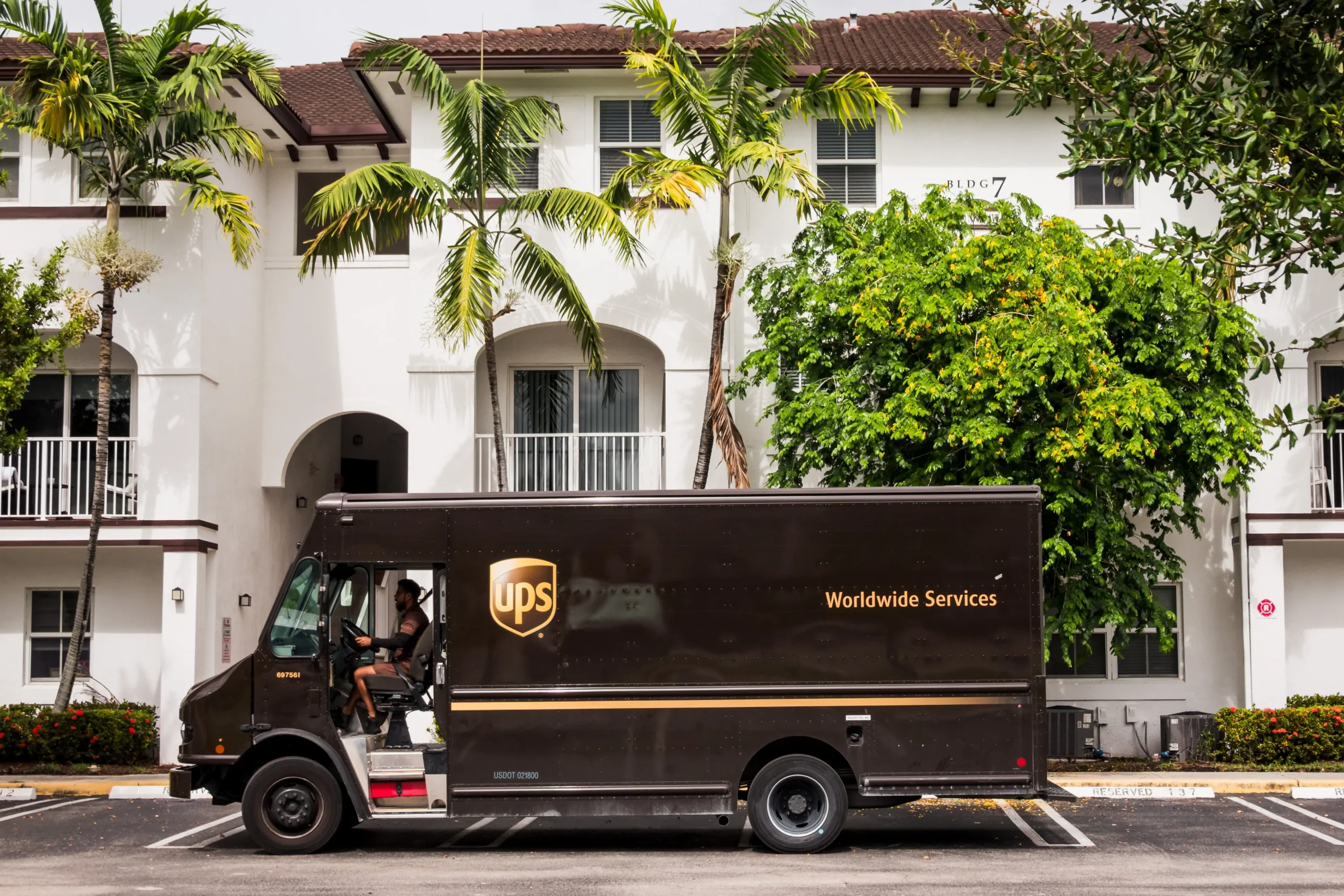


Carrier mix optimization has become a defining factor in parcel performance.
Between annual General Rate Increases (GRIs), evolving surcharge structures, and shifting international cost exposure, relying on one carrier creates unnecessary risk. Many shippers have already transitioned to using multiple carriers, but few allocate volume strategically based on package-level data.
Carrier mix optimization provides a structured approach to balancing cost control, service performance, and network resilience.
This guide explains what carrier mix optimization means in 2026 and how to build a carrier strategy designed for long-term flexibility.
What Is Carrier Mix Optimization?
Carrier mix optimization is the process of strategically allocating parcel volume across national, regional, and alternative carriers to support:
- Cost efficiency
- Service reliability
- Network resilience
- Operational flexibility
A well-structured carrier mix reflects your shipping profile–including zones, weight distribution, service levels, and customer expectations.
As those variables evolve, allocation strategies should evolve alongside them.
Effective carrier mix optimization aligns volume decisions with real shipment data–not assumptions.
Why Should You Implement Carrier Mix Optimization in 2026?
Parcel shipping costs are more dynamic than ever. Optimization requires ongoing analysis, not periodic adjustments.
Rate Structures Continue to Shift
GRIs compound across high shipment volumes. Surcharge expansion adds variability to total cost per package.
Even small allocation adjustments can influence annual spend when applied across thousands, or millions, of shipments.
Small per-package adjustments can translate into significant annual impact.
Surcharges Drive True Cost Differences
Base rates provide only part of the picture.
Residential fees, delivery area surcharges, fuel adjustments, and peak charges impact total landed cost differently depending on carrier, zone, and service level.
Carrier mix optimization should evaluate total cost per shipment, not just rate tables.
International Exposure Is Changing
Tariff adjustments and customs policy changes are influencing sourcing and fulfillment strategies. As shipping patterns shift internationally, carrier allocation should reflect updated cost structures and transit expectations.
International shifts often require allocation shifts.
Performance Varies by Region and Service
Carrier performance is not uniform across all zones and shipment characteristics.
Analyzing:
- On-time delivery rates
- Transit time reliability
- Cost per shipment by zone band
- Exception and claim frequency
Creates a clearer view of where allocation refinements may improve performance.
Carrier mix optimization turns performance data into allocation strategy.
How Do You Build a Balanced Carrier Network?
In 2026, leading shippers pursue diversification strategies that balance:
- National carriers for scale and broad coverage
- Regional carriers for density-driven efficiency
- Alternative partners for specialized delivery needs
A balanced carrier network strengthens resilience while maintaining operational clarity.
The objective is structured flexibility, the ability to adjust allocation as shipping profiles, rate environments, and customer expectations evolve.
Best Practices for Carrier Mix Optimization
Carrier mix optimization performs best when grounded in data and aligned with long-term strategy.
1. Align Volume Commitments With Allocation Strategy
Long-term carrier commitments provide stability. Allocation strategies should reflect those commitments while maintaining room for targeted flexibility.
Evaluating how committed volume aligns with actual shipment characteristics ensures allocation supports both operational continuity and optimization goals.
Stability and flexibility should work together, not compete.
2. Analyze Your Shipping Profile by Zone and Weight
Understanding where spend concentrates often reveals optimization opportunities.
- Which zones represent the highest cost concentration?
Evaluate if there is a carrier that could better serve them—for cheaper. - Where are accessorial fees most frequent?
Explore if they are less costly with other carriers. - Which weight breaks do the majority of your shipments fall under?
Decide if your oversized packages should be moved to LTL carriers.
Data patterns frequently highlight areas for measured allocation adjustments.
Visibility into your shipping profile is the foundation of carrier mix optimization.
3. Evaluate True Cost Per Shipment
Optimization requires a complete cost view, including:
- Base transportation rates
- Fuel adjustments
- Surcharges (Residential, Delivery Area, etc.)
- Service-level premiums
Small per-package differences can scale into meaningful annual impact.
Total landed cost provides the clearest comparison across carriers.
4. Model Allocation Scenarios Before Implementation
Strategic shifts benefit from scenario analysis.
For example:
- How would reallocating 10% of UPS shipments influence my contract tiers?
- What is the total cost impact of shifting certain weight bands to a regional carrier?
- How does adjusting service level selection affect margin?
Modeling potential changes supports confident, data-backed decisions.
5. Monitor Continuously
Carrier mix optimization is an ongoing process.
Rate structures change annually. Surcharge frameworks evolve. Shipping profiles shift as product mix and fulfillment strategies develop.
Continuous monitoring ensures your carrier mix evolves alongside your business.
Common Challenges in Carrier Mix Strategies
Even multi-carrier networks face obstacles.
Static allocation models
Volume splits established years ago may no longer reflect today’s cost structure.
Incomplete cost visibility
Without normalized shipment-level data, true comparisons across carriers become difficult.
Overlooking regional performance differences
Carrier effectiveness can vary significantly by geography and service type.
Structured analysis supports clarity across all three areas.
How SiftedAI Supports Carrier Mix Optimization
Carrier mix optimization begins with visibility and strengthens through continuous analysis.
SiftedAI centralizes parcel data across carriers, allowing you to:
- Compare performance side by side
- Analyze cost per shipment by zone and weight
- Identify surcharge trends
- Evaluate allocation scenarios
- Monitor changes over time
Data clarity enables smarter allocation decisions.
By bringing carrier data into one platform, SiftedAI supports informed allocation strategies aligned with cost control, service performance, and long-term growth.
Structuring a Carrier Strategy for Growth
A well-designed carrier mix supports operational resilience while maintaining flexibility to adapt.
As parcel complexity increases, strategic allocation becomes a measurable advantage. Carrier mix optimization ensures your shipping profile aligns with the carriers and services that best support your business goals.
Optimization starts with clarity and clarity creates confidence.
Explore your parcel data in SiftedAI and evaluate how your current carrier mix supports cost, performance, and growth.
The Great Debate:
FBA vs. FBM