

What is Black Friday?
Black Friday an annual shopping event that takes place the day after Thanksgiving. It is considered by many to kick off the holiday season in the United States.
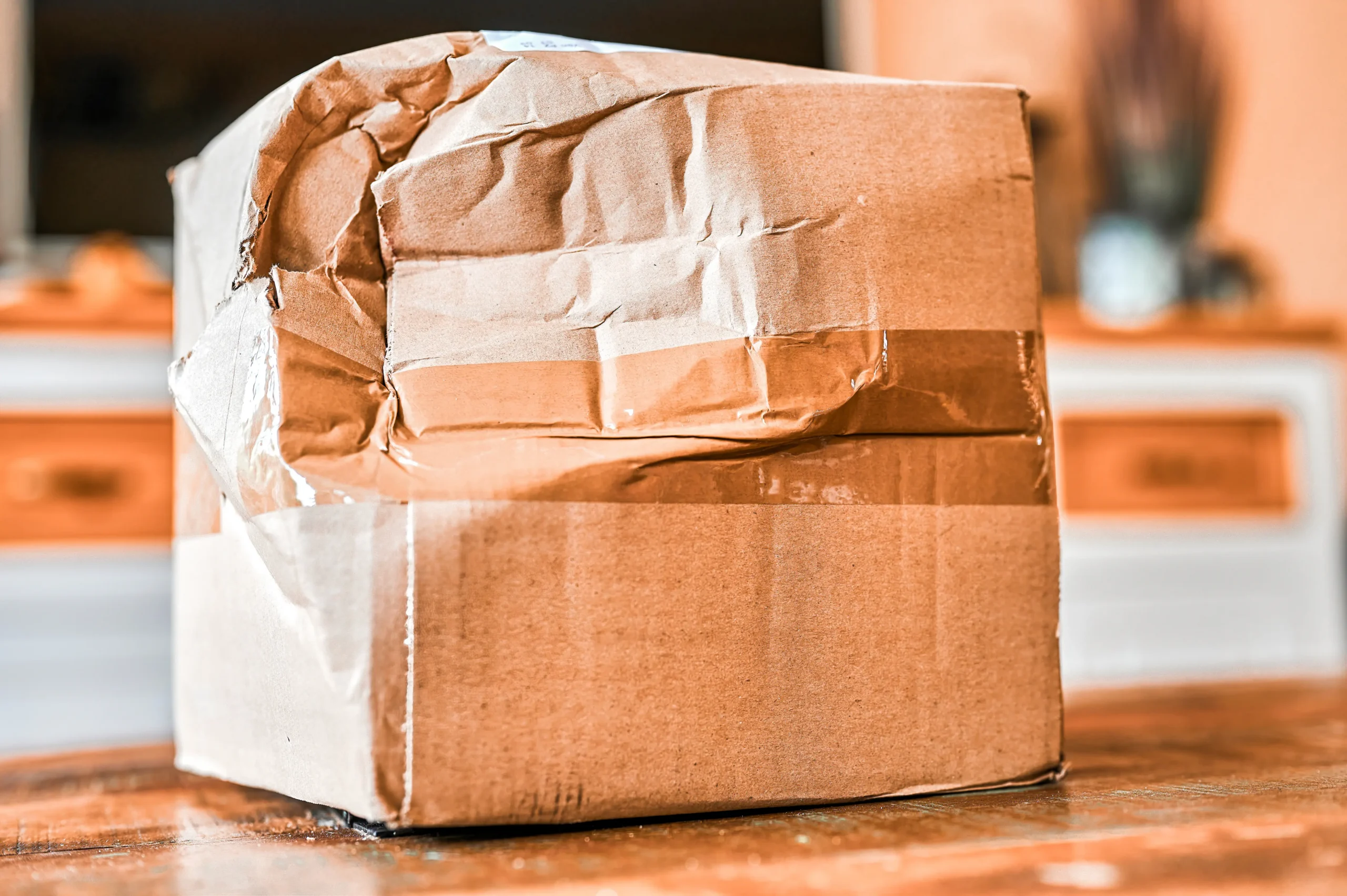
Black Friday offers a tremendous opportunity for both large and small businesses to generate extra sales, increase revenue, and acquire new customers. However, each year shipping delays and logistical nightmares make it challenging for retailers to deliver products to their customers on time.
In this article, we’ll discuss how eCommerce retailers and shippers can overcome supply chain woes and avoid delivery delays this holiday shopping season.
Do you sense a lack of transparency in your shipping operations? Unlock actionable insights from your shipping data with Sifted Logistics Intelligence.
The Likelihood of Black Friday Shipping Delays
Companies ranging from electronics, automakers and healthcare providers are struggling with shortages. In addition, production delays, labor shortages, COVID-related lockdowns, and carrier constraints can lead to supply chain delays and price surges. This means that depending on where you’re shipping, holiday gifts you purchase online during Black Friday/Cyber Monday may not arrive until Christmas.
Get Ahead of Monumental GRI Rate Hikes
Shipping delays are common in the post-pandemic world, so retailers and consumers have adapted by starting earlier than ever before.
Black Friday has become Black October.
Another way many shippers counter shipping delays is by offering their customers curbside pickup and Buy Online, Pick Up In-store (BOPIS) fulfillment options.
Is your business prepared for the holidays? Check out our shippers’ guide for the Black Friday shopping season.
How Shippers Can Prepare for Shipping Delays
Here are some of the best strategies businesses and shippers use to prevent shipping delays and position themselves for a strong holiday shopping season.
1. Start Early on Forecasts To Ensure You Have Necessary Capacity
Peak online shopping typically peaks in November and December and subsequently declines right after.
Shippers must plan in advance to timely anticipate logistics and transport constraints, warehouse management issues, and pricing changes. As a result, businesses can avoid pitfalls despite the surge in orders.
Planning and forecasting upcoming order volumes and carrier capacity can help shippers create a carrier strategy that works any time of the year.
Sifted Logistics Intelligence gives shippers a 360-degree view of their shipping operations. Here are some of the ways it can help you successfully navigate through the busy peak season:
- Gain an accurate view of how Peak Season surcharges will impact you based on your shipping profile
- Develop a carrier network mix with multiple contingency plans.
- Compare carriers based on shipping rates, order volume, and transit time.
- Simulate how distribution center and warehouse locations impact your shipping cost and transit time.
- Drill into your shipping data to learn from past seasons and forecast as accurately as possible.
2. Work With Last-Mile Delivery Providers
Supply chain managers spend most of their time and resources optimizing shipping lanes, warehouse management, and order tracking. However, last-mile delivery requires the same attention heading into the peak season in light of the disruptions in global supply chains.
According to a Supply Chain Dive survey, 70% of shippers have trouble finding delivery partners to meet their final delivery needs.
Shippers should prepare for the holiday shopping season in light of last year’s Black Friday and Cyber Monday sales orders. Since these two events account for most of the peak season order volume, correctly implementing your last mile strategy for BFCM will help you prepare for the entire shopping season.
Successful shippers implement a diversified carrier strategy that allows them to shift package volumes between carriers to avoid capacity constraints and ensure the delivery of packages at customers’ doorsteps on time.
3. Frequent Communication on Changes
For peak season, eCommerce retailers and shippers should step up communication with suppliers and carriers to avoid any mix-ups or unnecessary stress.
For example, frequent communication on parcel volume and size, zip codes, transit time, and shipping profiles can help shippers ensure that they have correct carrier capacity and rates information. It also allows them to arrange contingencies and negotiate pricing concessions before holiday shipping ramps up.
In addition, shippers can leverage technology to access real-time shipping data from their suppliers and carriers and stay informed about order status and potential supply chain issues like raw material and labor shortages.
4. Manage Customer Delivery Time Expectations
Most shippers struggle with customer communication during peak season. However, preparing your customers for possible delays and explaining how you plan to mitigate these risks is essential to preserve the customer experience.
Your eCommerce website and order emails offer great options for communicating shipping delays to your customers.
Similarly, you can prevent holiday delivery delays by clearly communicating shipping deadlines to your customers and encouraging them to shop early. According to an NRF and Prosper Insights & Analytics survey, 61% of holiday shoppers already plan to shop early.
Reach out to your customers via social media and email to promote your best in-store and online Black Friday deals. When customers purchase their orders before the Black Friday shopping rush, it helps ease peak sales pressure closer to the holiday season.
Many retailers, such as Amazon, Walmart, Samsung, Best Buy, and Microsoft, hold early Black Friday sales with discounts and price match guarantees on trending products. Similarly, third-party retailers offer early deals on Apple iPhones, iPads, AirPods, and Apple Watches.
5. Consider Working With Regional Carriers
Carrier capacity and rates are unpredictable every holiday season. The US parcel volume is expected to double from 20 billion packages in 2020 to 39 billion packages by 2025.
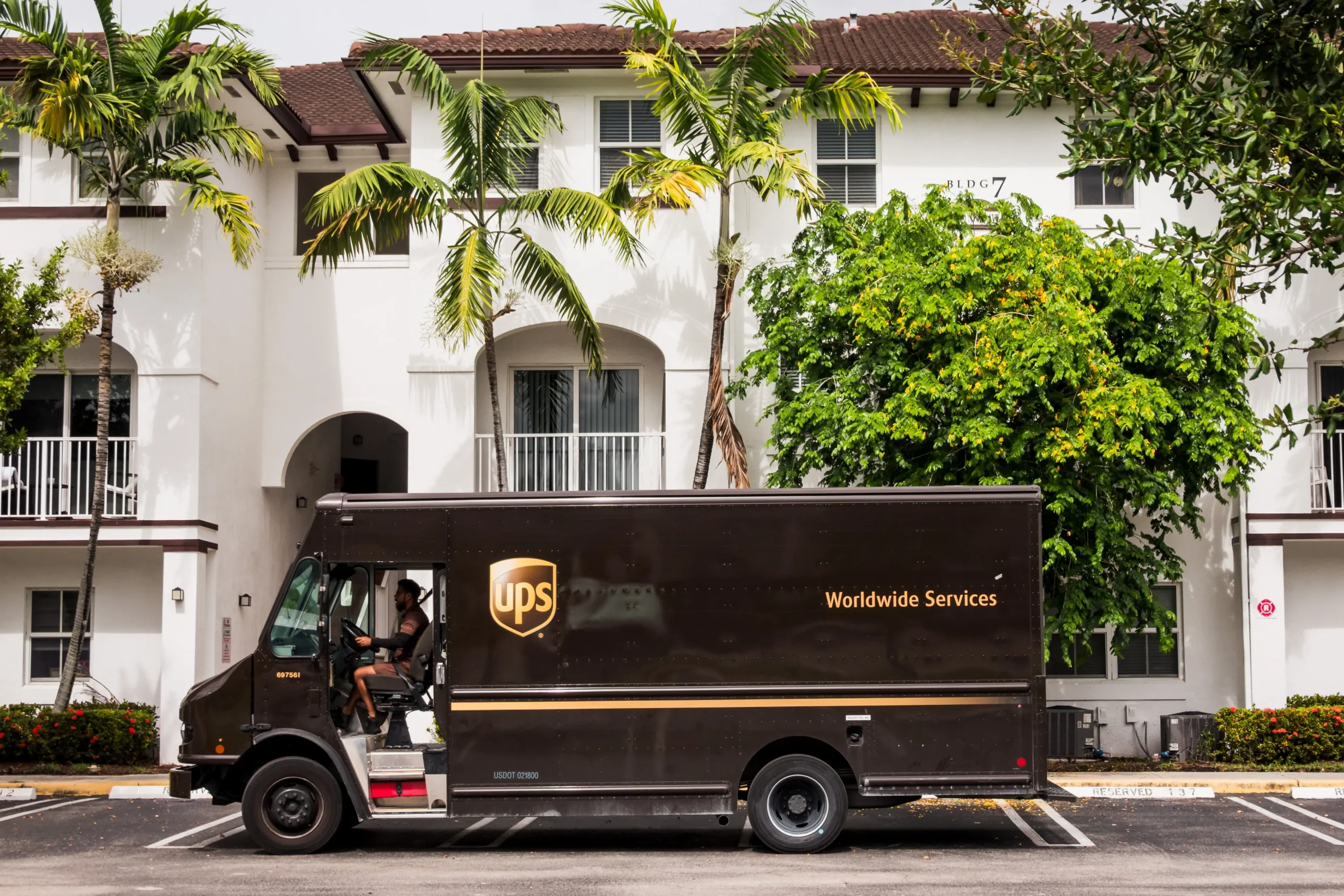
Experienced shippers overcome transportation and cost constraints by turning to regional parcel carriers. Unlike national carriers like FedEx, UPS, and USPS, regional carriers provide fast and affordable shipping and delivery services in a smaller geographic area.
In addition, regional carriers are less likely to impose peak surcharges during the holiday season.
As major carriers cater to a broad customer base, they struggle with backlogs due to the influx of deliveries before Thanksgiving. In contrast, regional carriers focus on specific geographic locations, enabling them to efficiently fulfill orders without being overwhelmed.
A blended carrier strategy consisting of national and regional carriers can help fill gaps in your fulfillment process. This way, you can offer flexible pricing and delivery times to your customers.
6. Prepare for Peak Season Surcharges
As the holiday shopping season approaches, shippers quickly become overwhelmed by the surge in order volumes while navigating through shipping congestion and rising surcharges.
Major carriers like FedEx, UPS, USPS, and Amazon impose peak surcharges on base shipping rates, including residential and additional handling surcharges. As most retailers make about 19% of their total annual sales in November and December, these additional charges, although temporary, can eat into your profit margins.
Here are some tips to help you reduce the impact of peak surcharges on your business and prevent shipping delays:
- Fluctuating fuel prices are a common factor that affects carrier surcharges. Circumvent peak fuel surcharges by timing your shipments as early in the holiday season as possible. Moreover, when you ship ahead of shipping deadlines, you’ll be able to deliver packages to customers without delays.
- Consolidate packages going to the same customer instead of sending them separately. This way, you can reduce delivery costs and even use the savings to offer faster shipping options to your customers.
Prepare for Holiday Shipping and Potential Delays with Sifted
Start preparing for Black Friday in advance of the holiday shopping season, it will help you execute your shipping strategy effectively. Use past years’ data to learn what worked and what didn’t and make adjustments to minimize shipping delays.
With Sifted Logistics Intelligence, you can accurately gauge your shipping profile, forecast potential issues, and plan your shipping strategy for the holiday season.
Optimize your order fulfillment for the peak shipping season. Get a free demo from Sifted!