

Outsourcing logistics is a big decision. Done well, it can lower costs, extend your delivery reach, and free up the time that in-house fulfillment quietly eats up. Done without the right information, it can create new headaches on top of the old ones.
The case for using a 3PL isn’t one-size-fits-all, but many growing businesses find there are clear advantages. Here’s what the data shows and what shippers actually report after integrating a 3PL.
Lower Shipping Costs Through Carrier Rate Access
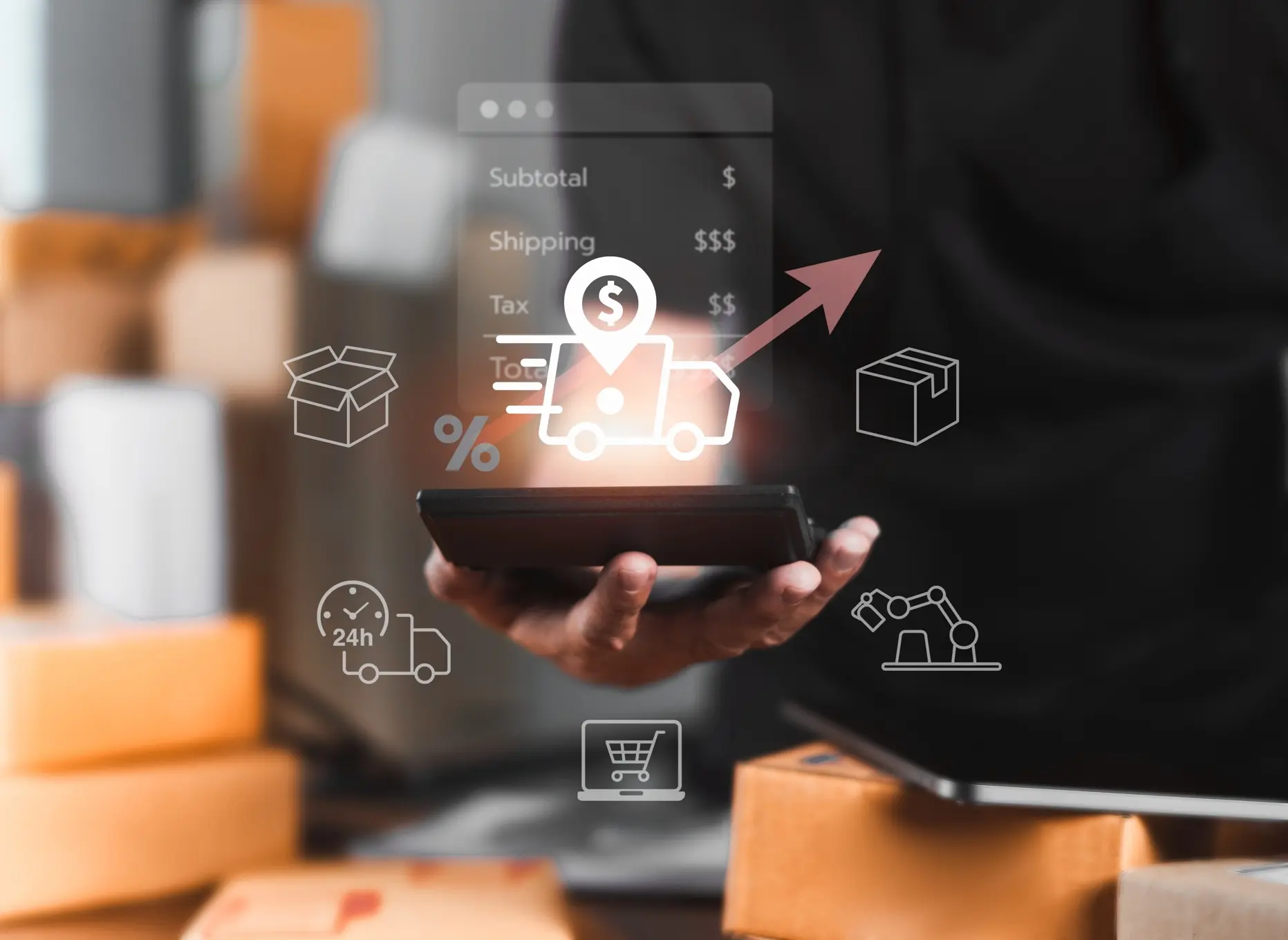
One of the most direct benefits of working with a third-party logistics provider is access to carrier pricing that individual shippers can’t reach on their own. 3PLs consolidate volume across many clients, which gives them leverage with FedEx, UPS, USPS, and regional carriers that a single brand shipping independently can’t as easily replicate.
Brands that partner with a 3PL can reduce overhead costs tied to warehousing, inventory management, and shipping, with some businesses cutting fulfillment costs by 15% or more. For small and growing brands that have been shipping on their own carrier rates, the gap between what they’re paying and what a high-volume 3PL pays can be significant.
For mid-size businesses without dedicated logistics staff, the internal cost of managing carrier relationships, auditing invoices, and staying current on rate changes often gets absorbed invisibly into operations. A 3PL makes that cost explicit and, in some cases, lower.
Operational Flexibility Without the Fixed Overhead
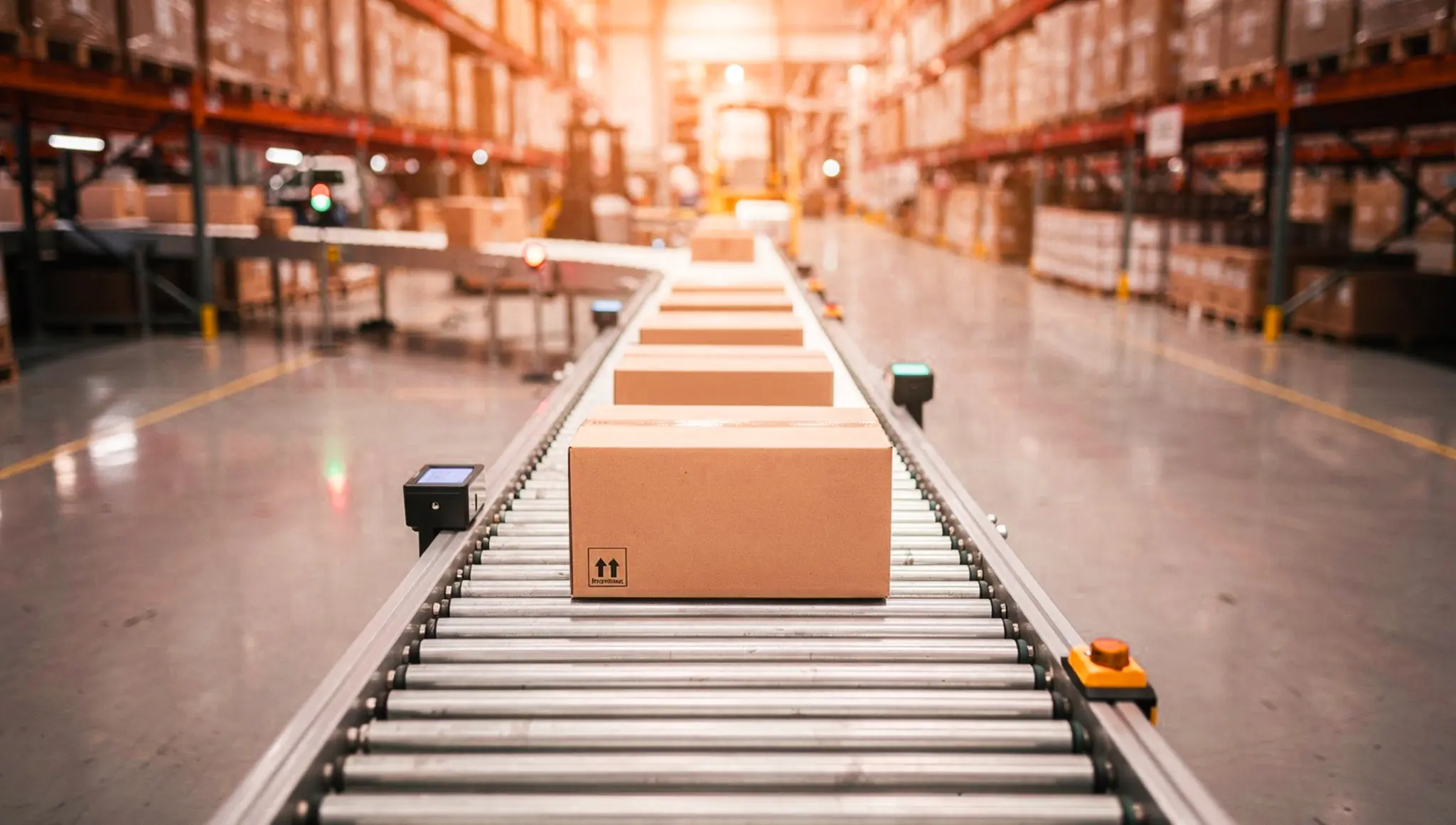
Building an in-house fulfillment operation means taking on fixed costs: warehouse leases, equipment, staffing, and the technology to run it all. Those costs don’t flex well when volume drops. During a slow quarter or an unexpected disruption, you’re still paying for capacity you’re not using.
A 3PL relationship can change that equation. Brands pay for what they use and scale up during peak periods without absorbing the capital expense of adding warehouse space or headcount. That flexibility is particularly valuable for businesses with seasonal demand patterns.
Roughly 57% of e-commerce companies now outsource some or all of their fulfillment operations, and the most commonly cited reason is exactly this: the ability to scale without the overhead commitment.
Faster Delivery Through Strategic Distribution
Where your inventory lives has a direct impact on how fast and how cheaply your customers receive it. If you are shipping everything from a single location, you’re likely paying higher carrier rates and delivering slower to customers on the opposite side of the country. Shipping zones determine cost, and every zone a package crosses adds time and expense.
3PLs with multiple distribution centers can allow brands to position inventory closer to their customer base, possibly reducing the average zone on shipments. For brands competing on delivery speed, a 3PL’s DC footprint can make ground shipping a viable substitute for expensive expedited options.
Expertise That’s Difficult to Build In-House
Carrier management is a specialized discipline. Rates change. Accessorial fees shift. Invoices contain errors that require auditing. Contracts have tiers and thresholds that require active monitoring to capture the full value of what was agreed to.
Most businesses don’t have a team dedicated to this. It gets absorbed by operations, finance, or logistics staff handling it alongside everything else, and it can result in overpayment, missed savings, and limited visibility into what’s actually driving shipping costs.
3PLs specialize in exactly these functions. The better ones maintain dedicated teams tracking carrier performance, auditing invoices, and staying ahead of rate changes across their entire client base. That expertise, applied at scale, consistently produces better outcomes than a generalist team managing it as a secondary responsibility.
Visibility and Reporting Clients Actually Use
The expectation brands bring to 3PL relationships has shifted. Pick-pack-ship is the baseline. What brands increasingly require is data: visibility into spend by carrier, delivery performance by lane, accessorial charges as a percentage of total cost, and trend data they can act on.
The 3PLs that retain clients and win new ones are the ones that can provide this clearly. That means client-level reporting, accessible data, and the ability to show a brand exactly what their shipping profile looks like and how it’s changing over time. Brands that can see their data trust their provider. Brands that can’t, don’t.
When It Makes Sense to Use a 3PL
The benefits above apply most clearly in specific situations. The case for outsourcing gets stronger when:
- Your customer base is geographically distributed and a single-origin shipping model is inflating carrier costs and delivery times
- Managing in-house logistics is consuming management attention disproportionate to its strategic value
- The cost of building internal expertise in carrier management, invoice auditing, and rate monitoring would outweigh the cost of outsourcing it
For most businesses at meaningful shipping volume, the question usually isn’t whether a 3PL makes financial sense, it’s which 3PL, and how to evaluate what they’re actually delivering.
When a 3PL Doesn’t Make Sense
Not every business is in the right position to benefit from a 3PL, and it’s worth being honest about that.
- You’ve already built an efficient in-house operation. Not every business needs to out source. If you’ve invested in warehouse space, technology, and logistics staff and those operations are running well, it doesn’t make sense to make a change. Moving to a 3PL involves transition costs, a learning curve, and giving up some control.
- Low shipping volume. Most 3PLs have minimums, either monthly order counts or storage fees that make the economics work for them. If you’re shipping a small number of orders per month, those fixed costs can easily exceed what you’d pay handling fulfillment yourself. The rate savings that 3PLs offer are real, but they kick in at volume.
- Highly specialized or regulated products. If your products require temperature control, hazmat handling, FDA compliance, or other specialized storage and shipping conditions, your options narrow significantly. Not all 3PLs are equipped for this, and choosing a provider that isn’t set up for your product type can create more problems than it solves.
- Custom packaging and unboxing is a core part of your brand. Some brands have built real customer loyalty around a distinctive unboxing experience, specific inserts, tissue paper, handwritten notes, unusual box sizes. Standard 3PL operations aren’t designed for this level of customization at scale. If that experience is central to your brand, make sure any 3PL you consider can actually deliver it, and at what cost.
- You’re very early stage. If you’re still figuring out your product-market fit, your shipping profile, or your customer geography, locking into a 3PL relationship adds operational complexity before you have the data to make the partnership work well.
The right time to consider a 3PL is when the cost of your current approach, whether in dollars, time, or delivery performance, is clearly higher than the cost of outsourcing. That calculus looks different for every business.
The Bottom Line
The advantages of working with a 3PL compound: better carrier pricing, operational flexibility, faster delivery, specialized expertise, and the visibility to hold your provider accountable. Each benefit is real on its own, but together they represent a fundamentally more efficient way to run a fulfillment operation than most brands can replicate independently.
For 3PLs looking to demonstrate these advantages to clients and prospects with data rather than just talking points, SiftedAI 3PL Brand Management gives providers the tools to build pricing proposals that make the value of working with them concrete, show projected and realized savings and track client-level KPIs.