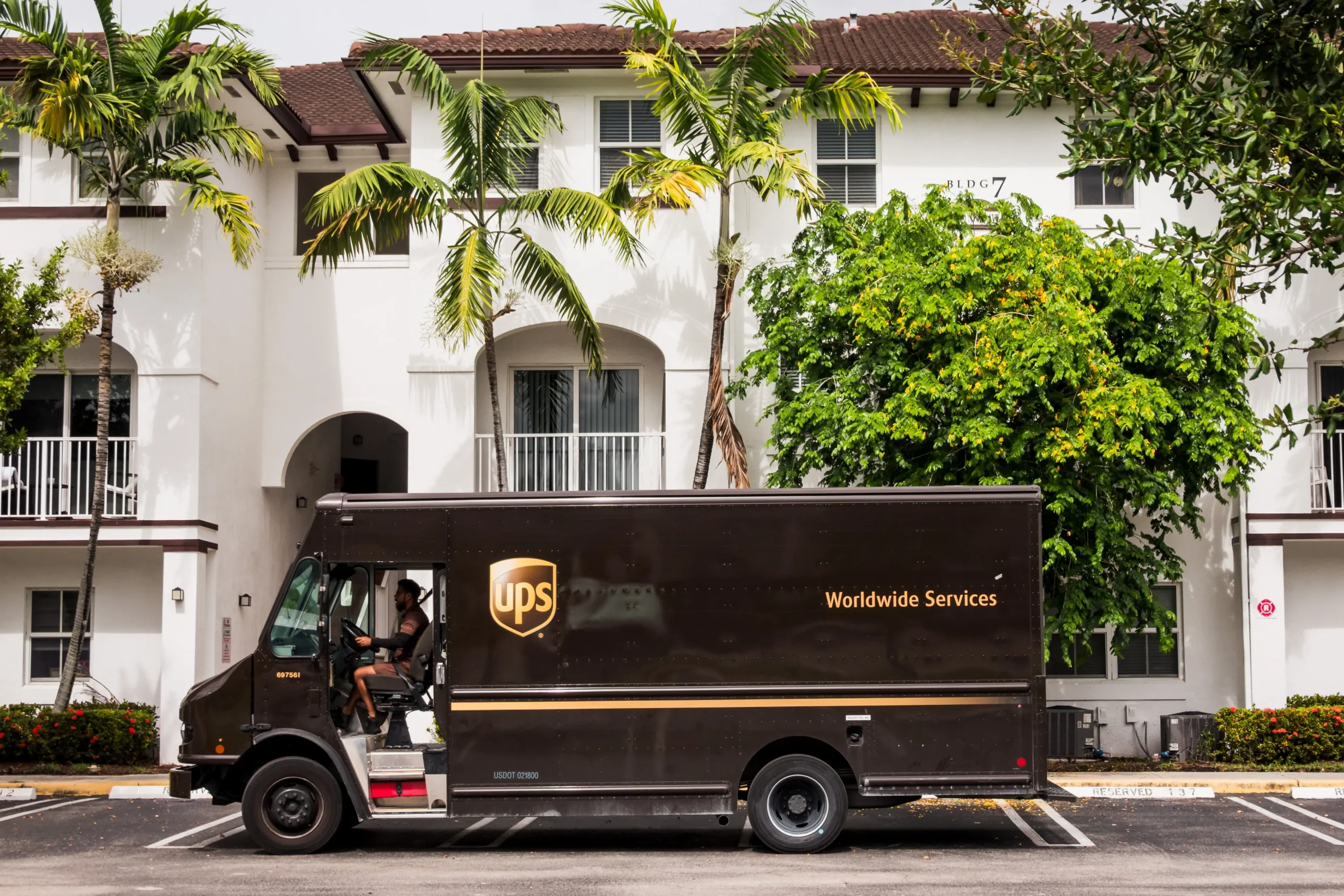


Supply chain issues, labor shortages, inflationary pressures, and increased demand for eCommerce products have all impacted manufacturers’ shipping costs. Given that shipping demand is so high, carriers have little incentive to reduce shipping costs on their end–and are, in fact, continuing to raise rates and increase shipping surcharges.
If you’re in the manufacturing industry grappling with spiraling shipping costs, it’s time to take a hard look at your shipping operations and the overall efficiency of your shipping network. When your network is optimized, you can ship faster for less money. It’s that simple.
However, optimizing your network isn’t quite so simple. It requires full visibility and insight into every aspect of your shipping operations. This requires comprehensive data and the ability to quickly analyze it to make smart changes that will increase your efficiency and lower your overall shipping costs.
In this article, we’ll walk you through the different areas of your shipping network—helping you to understand what data you need to collect and how it can help you improve your shipping operations efficiency.
1. Make your distribution network as efficient as possible
In real estate, location is everything. Location is also everything when it comes to ensuring your shipping network is as efficient and sustainable as possible. But instead of evaluating whether your warehouse is near a great school or has excellent walkability, you’ll be looking at how well positioned your distribution network is to the location of the majority of your customers.
“What you want from your network footprint is to reach customers in the US, regardless of location, as fast as you can for the lowest cost,” says Caleb Nelson, Chief Growth Officer at Sifted.
Determining what the perfect footprint looks like for your network over the long term requires a detailed assessment of the following factors:
1. What warehouse locations will help you reach the most customers fastest at the lowest cost?
If you’re on the west coast, but most of your customers are on the east coast, and you’re shipping your products cross-country, you’ll be looking at high shipping prices and long shipping timelines. To eliminate this inefficiency, you’ll want to strategically place your distribution centers in cities close to your customers.
However, it’s not always immediately obvious where the most strategic location is. For example, Nashville and Memphis may be nearby cities, but there can still be a significant difference in speed and cost. To make the most efficient choice, you’ll need the help of shipping data.
2. Where are your carrier distribution centers located?
UPS and FedEx have several distribution centers across the US. Locating your warehouse next to your preferred carrier’s distribution centers can help reduce the time it takes to get your products to customers. If you use both carriers, you’ll want to consider locations where both carriers have distribution centers nearby, such as Atlanta.
3. Does using a 3PL make sense?
3PLs can introduce greater efficiency into your shipping operations, allowing you to conserve resources and costs while maintaining higher service levels. A 3PL can help you pick, pack, and ship your products at lower costs faster and improve customer service. Using a 3PL can also give you increased agility to adapt to market changes.
2. Conduct a Carrier Network Analysis
Having the right carrier network is another key piece of your overall network efficiency. However, there isn’t one “right” way to optimize your carrier network as it will depend on your specific business, the types of products you ship, and where you ship to.
To ensure your carrier network is optimized to best fit your business, evaluate the following:
1. Single or multiple carriers
Having the flexibility to use either FedEx or UPS can be beneficial. If one carrier struggles with shipping delays or other operational issues, you can shift more business to the other carrier. Because it can take time to create a relationship with a carrier, shippers that rely on a single carrier may find they don’t have the agility to switch quickly to another carrier.
On the flip side, if you are not giving the bulk of your business to a single carrier, it’s less likely you’ll be a preferred customer—and you may not get as personal service. It may also impact any long-term agreement as you will no longer have the volume with a single shipper to get the best discounts and rates.
2. Regional carriers
Another aspect of your carrier network efficiency is whether to use regional carriers and when it makes the most sense. Proactively developing relationships with regional carriers can be beneficial. If issues do arise with your primary carrier, you’ll be able to be more agile and shift some products to a regional carrier. You’ll also have a good understanding of what they can or can’t do and what carriers are best to use based on the location of your warehouses.
3. Ensure Your Shipping Service Is Optimized
Another critical area of improving your network efficiency for greater long-term sustainability is ensuring that you’ve optimized your network to use the lowest cost services while still achieving fast shipping. Depending on how well you’ve done with locating your fulfillment centers close to your customers and your carriers, you may find you can use lower-cost shipping services like ground shipping while still achieving 2 or 3-day shipping.
Here’s how to assess where and how you can reduce your service levels without reducing the speed of delivery:
1. Analyze your zip codes to determine which ones can ground-ship fast
By knowing which zip codes are within a 2-day or less ground shipping distance for your carrier, you can still meet your shipping times while saving 50% or more on shipping by not paying next-day delivery charges.
2. Set rules to avoid using expedited services when not necessary
It’s important to have rules in your system to not allow someone to ship something overnight or 2-day if you can ship it with cheaper service.
4. Track historical shipping data to better understand costs
As a shipper in the manufacturing industry, especially if you’re shipping large or heavy products or have to ship internationally, determining your “all-in” shipping costs is challenging. To gain more clarity and accuracy into what it will cost to ship your products, including customs, taxes, and fees, you need to be able to look at historical shipping data. You can then more accurately predict future shipping rates while also considering any shipping rate increases or other surcharges that carriers may have added recently.
Another benefit of tracking all your shipping data end-to-end and having it in a centralized location is that it provides your customers with detailed shipping cost data. This is especially important if you bill your customers for actual shipping costs after the fact.
5. Keep products safe while being cost-effective
In the manufacturing industry, you may often ship products that require careful or special handling. This might be pharmaceuticals that require cold shipping or precision products, such as electrical or computer components that must be well-protected during shipping. Additionally, shipping delays can be costly and delay production when you ship components from one manufacturing facility to another.
To optimize your network and delivery chain to ensure that products are being shipped in the fastest, most efficient way while still meeting required handling protocols, you will need to evaluate:
- Where your current cold storage warehouses are located. In colder climates, you’ll use less energy to cool products, which is better for the environment and can lower overall costs.
- Whether adding or relocating your cold storage warehouses could improve shipping costs and times.
- How well your carrier performs on key metrics like on-time delivery or what percent of packages are delivered damaged.
Make Smart and Sustainable Choices by Modeling Scenarios
Optimizing your network for efficiency so that your shipping operations are sustainable for the foreseeable future is ultimately all about having the data to identify where you are currently inefficient. It’s also about using this data to model and run what-if scenarios to help you determine how to maximize your network efficiency going forward.
“It’s just a giant math equation,” says Nelson. “To answer the math problem, you have to run a series of data models to determine the right answer.”
Solving the “giant math equation” can be done using Excel pivot tables or data visualization software, but these options require a lot of time to build out. Third-party consultants can also do a one-time network optimization analysis.
Alternatively, you can use a turnkey solution, like Sifted, that is purpose-built to allow you to run a variety of shipping operations and network efficiency scenarios in a sandbox environment.

Follow us for more resources on how to start optimizing your network to ensure your shipping operations are sustainable now and in the future!