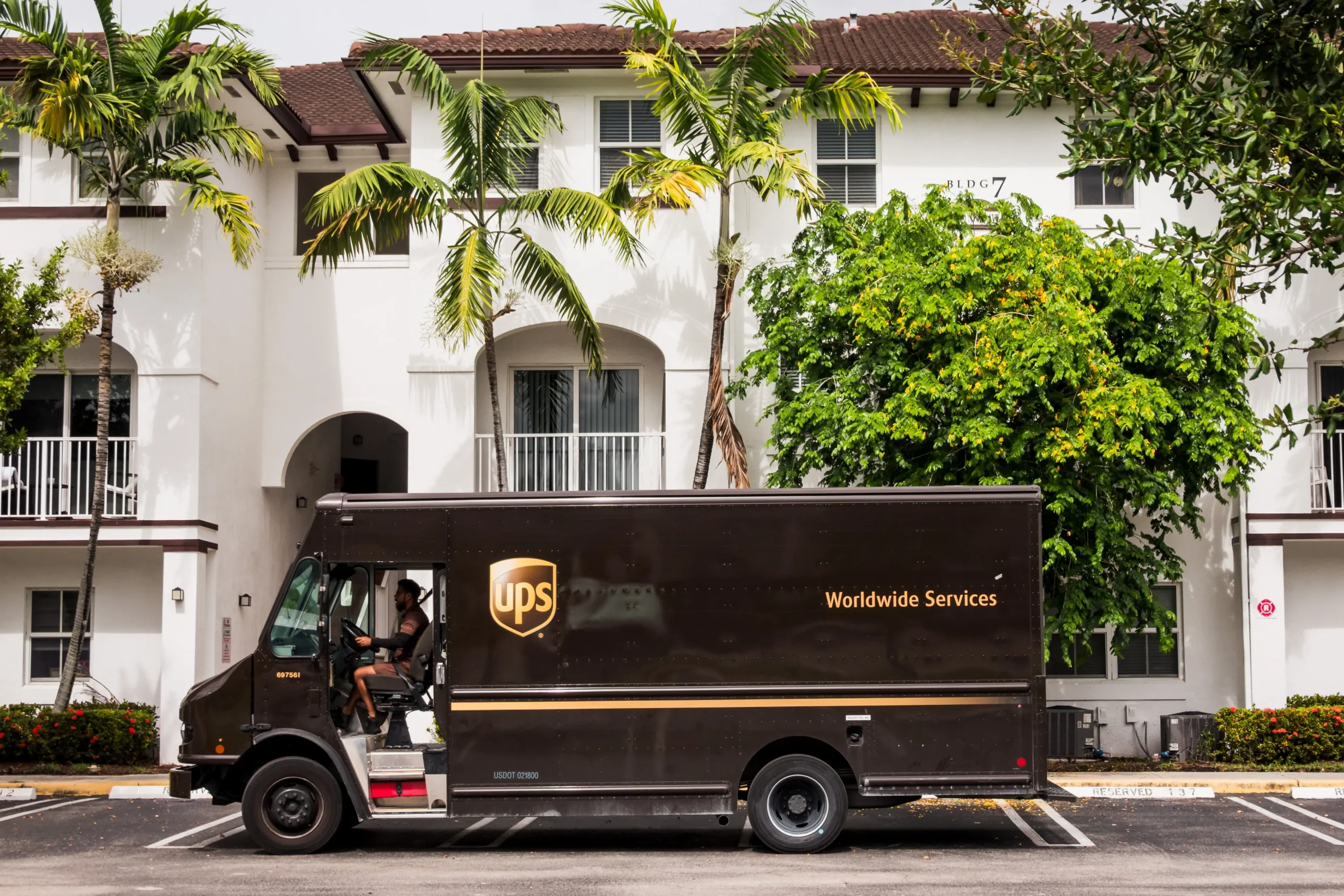


UPS Mail Innovations is often chosen for one reason: lower shipping costs.
But for many shippers, those savings raise questions about delivery speed, tracking visibility, and customer experience.
If you’ve ever asked, “What is UPS Mail Innovations?”, “How long does it take?”, or “When does it actually make sense to use?”—you’re not alone.
This guide explains how UPS Mail Innovations works, what to expect from transit times and tracking, and when it’s the right fit for your shipments.
What Is UPS Mail Innovations?
UPS Mail Innovations is a hybrid shipping service where UPS transports packages through its network and the U.S. Postal Service (USPS) completes final-mile delivery.
It’s designed for:
- Lightweight parcels
- Residential delivery
- Cost-sensitive shipments that don’t require guaranteed speed
Instead of UPS delivering door-to-door, USPS handles the last mile. That handoff reduces cost, but introduces more complexity than standard UPS services.
How Does UPS Mail Innovations Work?
UPS Mail Innovations splits delivery responsibility between two carriers.
The Delivery Flow
- The shipper tenders the package to UPS
- UPS manages linehaul transportation and sorting
- USPS completes final-mile delivery to the recipient
Because the shipment changes hands, transit time and tracking behavior differ from single-carrier services.
This structure is efficient, but it’s important to understand the trade-offs.
What Is UPS Mail Innovations Expedited?
UPS Mail Innovations Expedited is a faster option within the Mail Innovations service family.
It’s intended to reduce transit time while still using the UPS-to-USPS handoff model.
What “expedited” means in practice:
- Faster than standard Mail Innovations
- Slower than UPS Ground or air services
- Still delivered by USPS on the final mile
Shippers often use this service when they want a balance between cost savings and improved speed, without moving to premium UPS options.
How Long Does UPS Mail Innovations Take?
UPS Mail Innovations typically delivers in several business days, with transit times varying by distance, volume, and USPS performance.
Unlike UPS Ground, there are no guaranteed delivery dates.
What Affects Transit Time?
- Shipping zones and distance
- USPS final-mile delivery timelines
- Peak shipping periods
- Timing of the UPS-to-USPS handoff
Because USPS completes delivery, performance can vary more than end-to-end UPS services, especially during high-volume seasons.
UPS Mail Innovations Tracking: What Shippers Should Know
Tracking is one of the most common sources of confusion.
UPS Mail Innovations packages are tracked by UPS early in transit and by USPS after the handoff.
Which Tracking Number Should You Use?
- UPS tracking applies at the beginning of the shipment
- USPS tracking becomes active after handoff
This transition can result in:
- Gaps between scans
- Delayed tracking updates
- Customer confusion when visibility shifts mid-delivery
For many shippers, this leads to increased “Where is my order?” inquiries if expectations aren’t clearly set.
When Does UPS Mail Innovations Make Sense for Shippers?
UPS Mail Innovations works best when shipping priorities align with its design.
It’s often a good fit for:
- Lightweight, low-value shipments
- High-volume residential delivery
- Cost-focused eCommerce orders
- Shipments without strict delivery promises
When speed isn’t the primary differentiator, the cost savings can outweigh longer or less predictable transit times.
Is UPS Mail Innovations Right for Your Shipments?
UPS Mail Innovations at a Glance
| Shipping Factor | UPS Main Innovations | What It Means for Shippers |
|---|---|---|
| Delivery Model | UPS transports; USPS delivers final mile | Lower cost, added handoff |
| Typical Use Case | Lightweight residential parcels | Best for low-urgency orders |
| Transit Time | Several business days | Not ideal for tight SLAs |
| Delivery Guarantees | None | More variability than UPS Ground |
| Tracking Visibility | UPS > USPS handoff | Tracking may pause or change |
| Cost | Lower than premium UPS services | Attractive for cost control |
| Customer Experience | Functional, not premium | Can increase WISMO volume |
| Best For | High-volume, low-value shipments | Cost over speed optimization |
When UPS Mail Innovations May Not Be the Best Fit
There are scenarios where the trade-offs may outweigh the savings.
Shippers may want to reconsider if they need:
- Guaranteed delivery windows
- Consistent, end-to-end tracking
- A premium delivery experience
- Fewer customer service inquiries
In these cases, downstream impacts, like customer satisfaction and support costs, can offset lower base rates.
UPS Ground vs. UPS Mail Innovations: What’s the Difference?
UPS Ground and UPS Mail Innovations are often compared because they serve similar domestic eCommerce use cases, but they operate very differently.
The biggest distinction comes down to delivery ownership. UPS Ground is a single-carrier, door-to-door service. UPS Mail Innovations is a hybrid service that relies on USPS for final-mile delivery. That difference impacts speed, tracking, reliability, and customer experience.
| Shipping Factor | UPS Ground | UPS Mail Innovations |
|---|---|---|
| Delivery Model | UPS handles end-to-end delivery | UPS linehaul + USPS final mile |
| Typical Transit Time | 1-5 business days | Several business days |
| Delivery Guarantees | Date-based delivery estimates | No guaranteed delivery dates |
| Tracking Experience | Continuous UPS tracking | UPS > USPS tracking handoff |
| Final-Mile Carrier | UPS | USPS |
| Cost | Higher than hybrid services | Lower than UPS Ground |
| Customer Experience | More premium, predictable | Functional, less consistent |
| Best Use Case | Orders with delivery expectations | Low-urgency, cost-sensitive shipments |
When UPS Ground Is the Better Choice
UPS Ground is typically the better fit when shippers need:
- More predictable transit times
- Consistent, end-to-end tracking
- Fewer customer support inquiries
- A delivery experience aligned with customer expectations
For orders where delivery speed and reliability influence customer satisfaction, the higher cost of UPS Ground often pays for itself.
When UPS Mail Innovations Makes More Sense
UPS Mail Innovations can be the right option when:
- Shipments are lightweight and low value
- Delivery timing is flexible
- Cost reduction is a primary goal
- Customers are less sensitive to tracking detail
In these scenarios, accepting longer and more variable transit times can unlock meaningful savings as long as expectations are set correctly.
How to Evaluate UPS Mail Innovations Using Your Data
Choosing a shipping service shouldn’t rely on assumptions alone.
To evaluate UPS Mail Innovations effectively, shippers should analyze:
Transit time variability
Delivery exceptions
Tracking gaps and WISMO volume
Total cost compared to alternatives
This is where shipment-level visibility matters. By comparing performance across services, shippers can determine whether cost savings are delivering real value or creating hidden friction.
SiftedAI helps shippers analyze these trade-offs using their actual shipping data, making it easier to choose services that align with both cost and customer expectations.
Choosing the Right Service Starts With Clarity
UPS Mail Innovations isn’t a one-size-fits-all solution: it’s a purpose-built service.
When used in the right scenarios, it can be an effective way to control costs. When misaligned with delivery expectations, it can create avoidable friction.
Understanding what UPS Mail Innovations is, how it works, and when to use it is the foundation for smarter shipping decisions.